
IndiGo Service Fee Revision 2026: Excess Baggage Rates, Priority Check-In, and Add-On Costs Increase
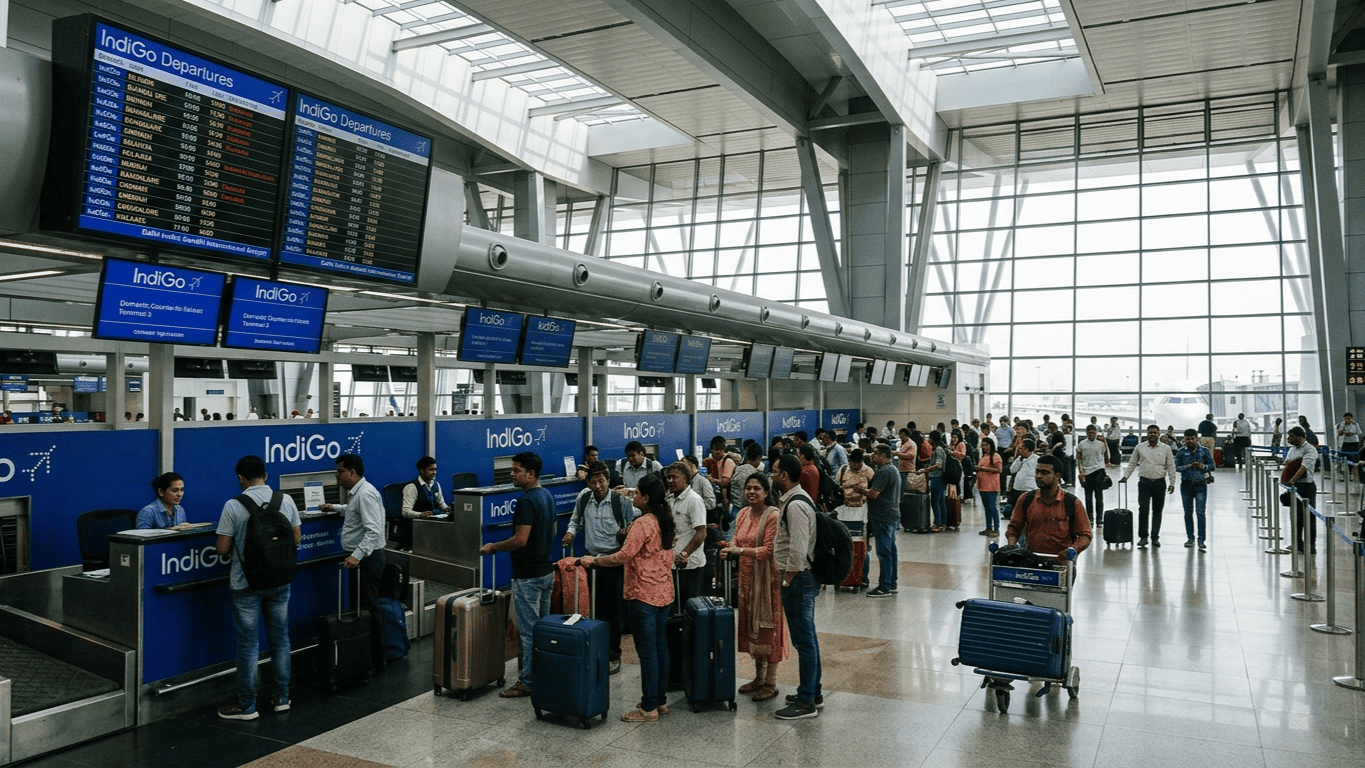
India’s largest domestic carrier by market share, has updated its fee structure across several core domestic passenger services, adjusting pricing for excess baggage, priority handling, and special assistance options. The adjustments reflect evolving cost dynamics and shifting regional demand across South Asia's rapidly expanding aviation market.
Under the revised framework, domestic excess baggage rates have been adjusted to INR 800 per kilogram, up from the previous rate of INR 700 per kg. Additional passenger services have also seen increases: the airline’s combined priority check-in and boarding service ("Fast Forward") has moved to INR 650, while charges for unaccompanied minor travel support now stand at INR 5,999.
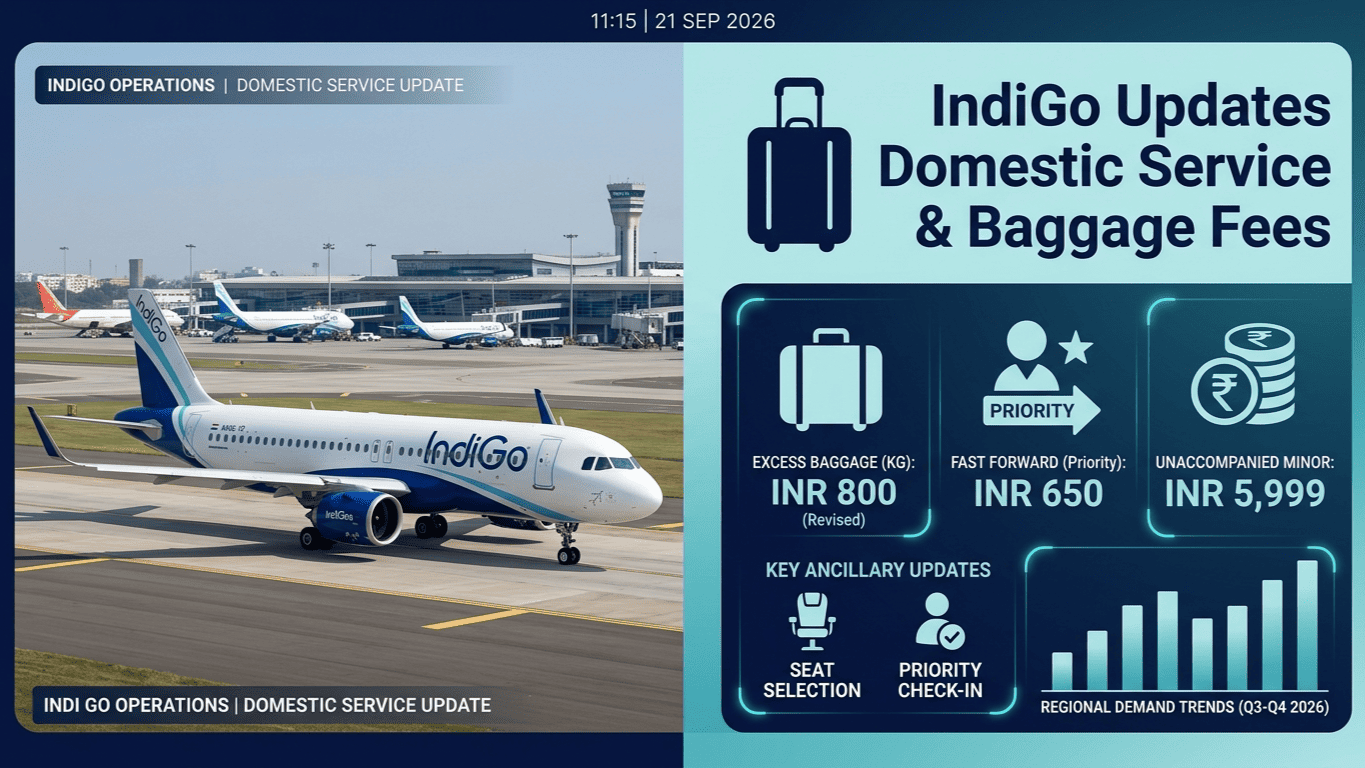
Ancillary Revenues and Evolving Regional Demand
The adjustments to ancillary pricing come as air travel demand across tier-two and tier-three Indian cities continues to surge. Unbundled pricing models—where base airfares remain competitive while optional services are priced independently—have become a key operational focus for budget carriers navigating fluctuations in jet fuel prices and airport operating costs.
According to industry reports on Indian domestic aviation growth trends, low-cost carriers are increasingly refining their yield management strategies as passenger volume across regional routes expands. Passengers planning upcoming flights can review complete fee schedules directly through the IndiGo official fees and charges directory.
Industry analysts note that while primary ticket prices remain competitive across major trunk routes, ancillary fees for excess baggage and priority assistance allow carriers to maintain lean operational costs while accommodating high passenger volumes. Travelers seeking guidance on regional routes and airline baggage policies can find additional insights via global airline policy updates and official guidelines from the Directorate General of Civil Aviation (DGCA).