
IndiGo Hikes Fuel Surcharge as Jet Fuel Prices Spike Across Key Routes
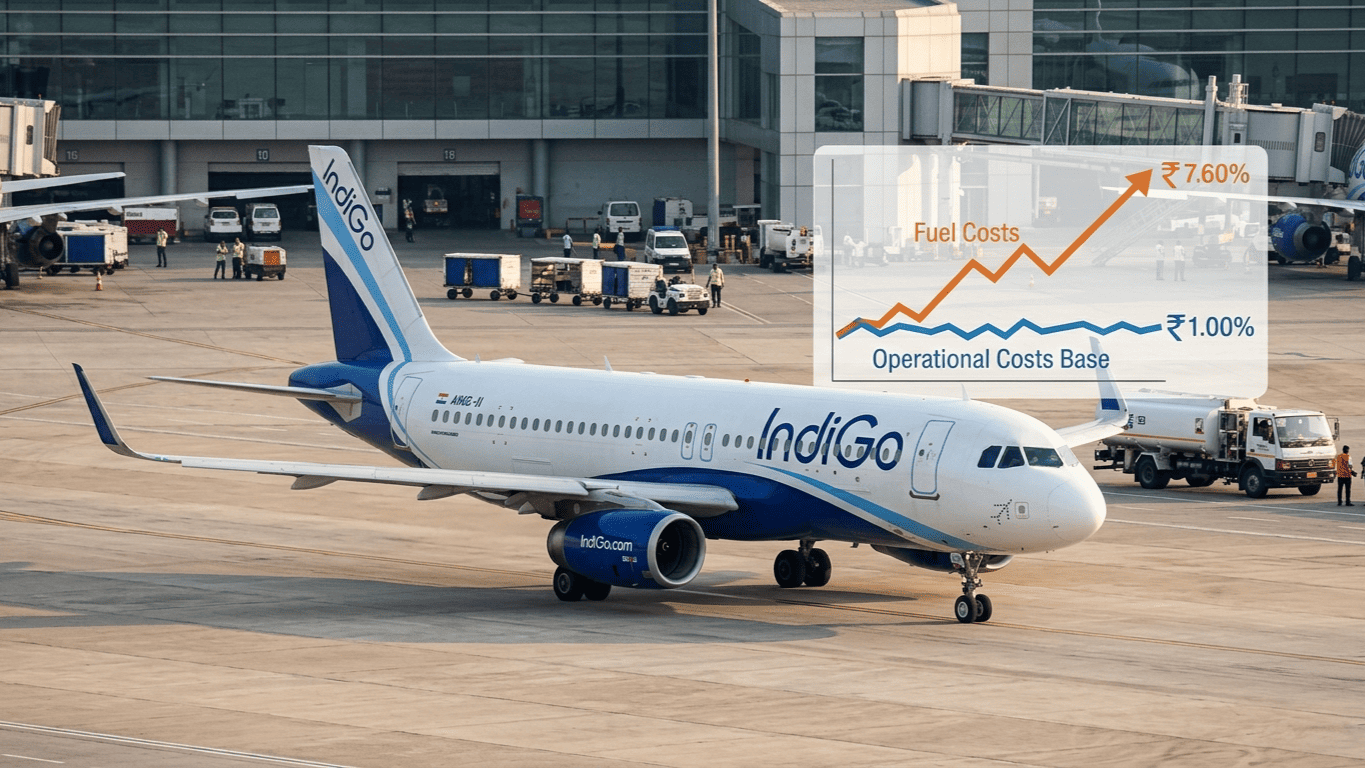
Air travel across India is getting noticeably more expensive as country market leader IndiGo updates its fuel surcharge structure to deal with volatile global energy markets. The price adjustment, which directly impacts all fresh tickets booked from October 6, 2026, hits domestic passengers and international travelers alike.
A sharp, single-month jump of over 14% in Aviation Turbine Fuel (ATF) costs forced the airline's hand. Fuel spending represents one of the largest single expenses on any carrier's balance sheet, and persistent market movements have made absorbing the entire surge impossible for low-cost carriers trying to maintain thin profit margins.
How Domestic Airfares Are Changing
Under the revised distance-tiered fee structure, domestic flyers will see fare adjustments tied strictly to how far they travel:
| Travel Distance | Revised Fuel Surcharge |
| Up to 500 km | ₹375 |
| 501 km – 1,000 km | ₹600 |
| 1,001 km – 1,500 km | ₹900 |
| 1,501 km – 2,000 km | ₹1,150 |
| Above 2,000 km | ₹1,300 |
Short hop flights—such as trips connecting regional hubs under 500 kilometers—will carry a minor bump in fees. However, popular long-haul domestic routes like Delhi to Bengaluru or Mumbai to Kolkata will land squarely in the upper tiers, adding over a thousand rupees per ticket just to cover fuel overheads.
Impact on Overseas and Long-Haul Routes
Travelers heading abroad face a steeper escalation. Short-haul regional flights to SAARC nations now incur surcharges ranging between ₹1,000 and ₹3,000 depending on total distance.
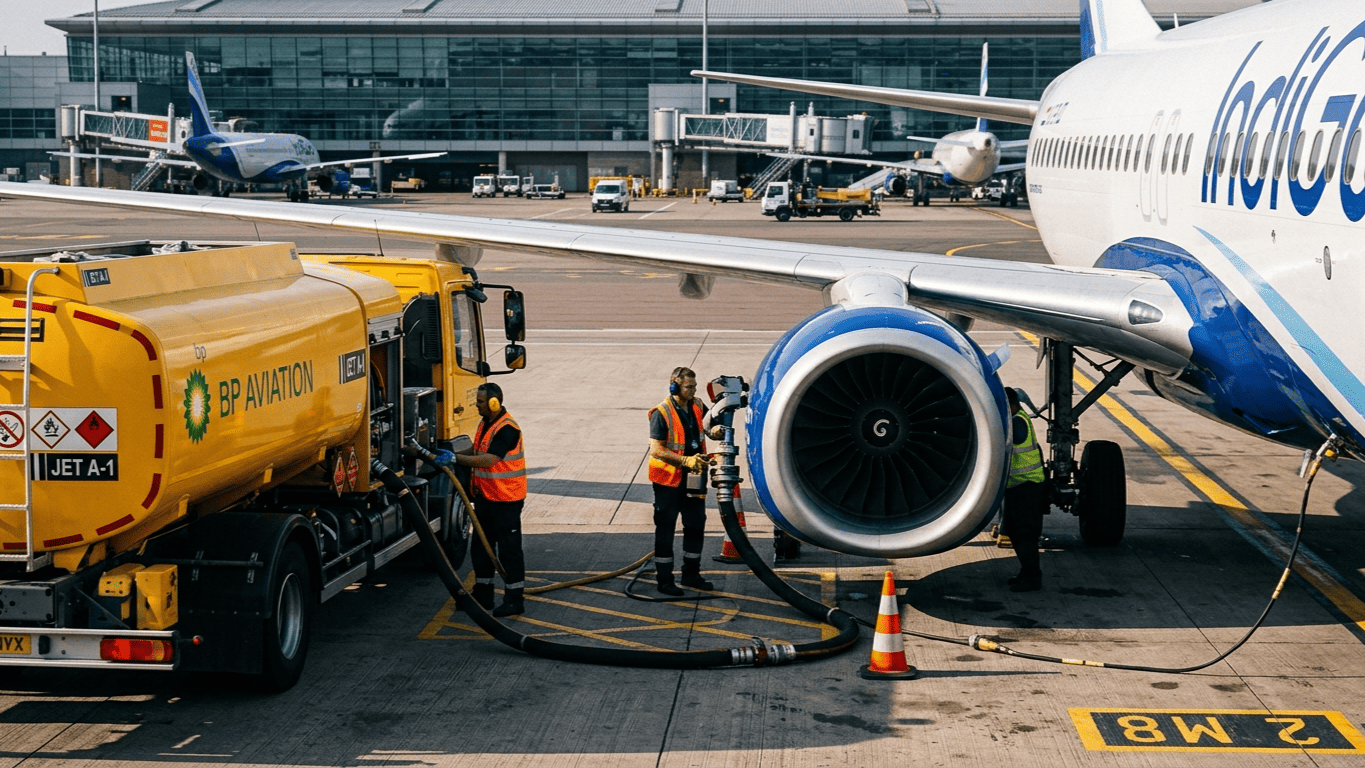
For medium-haul international journeys—including destinations across Southeast Asia, North and East Asia, and the Middle East—IndiGo has standardized the surcharge fee to a flat ₹5,500 per sector. Long-distance operations into Africa now carry a ₹6,000 charge, while European routes remain capped at the existing ₹10,000 tier.
What It Means for Upcoming Travel Plans
If you booked your tickets prior to October 6, your itinerary remains untouched. The higher charges apply solely to newly issued bookings made from October 6 onward.
Industry observers note that while airlines rarely enjoy passing cost spikes to consumers, volatile energy benchmarks leave little choice. Travelers planning upcoming holiday getaways or business trips are encouraged to track fare trends via official portals like the Directorate General of Civil Aviation and book well ahead of peak travel dates to lock in lower base fares before seasonal demand drives ticket prices even higher.