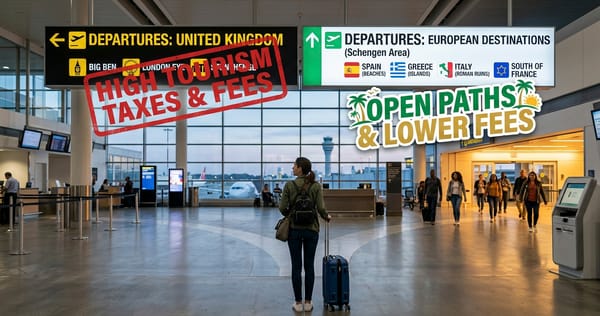
How Much Does a Trip to the United States Cost?
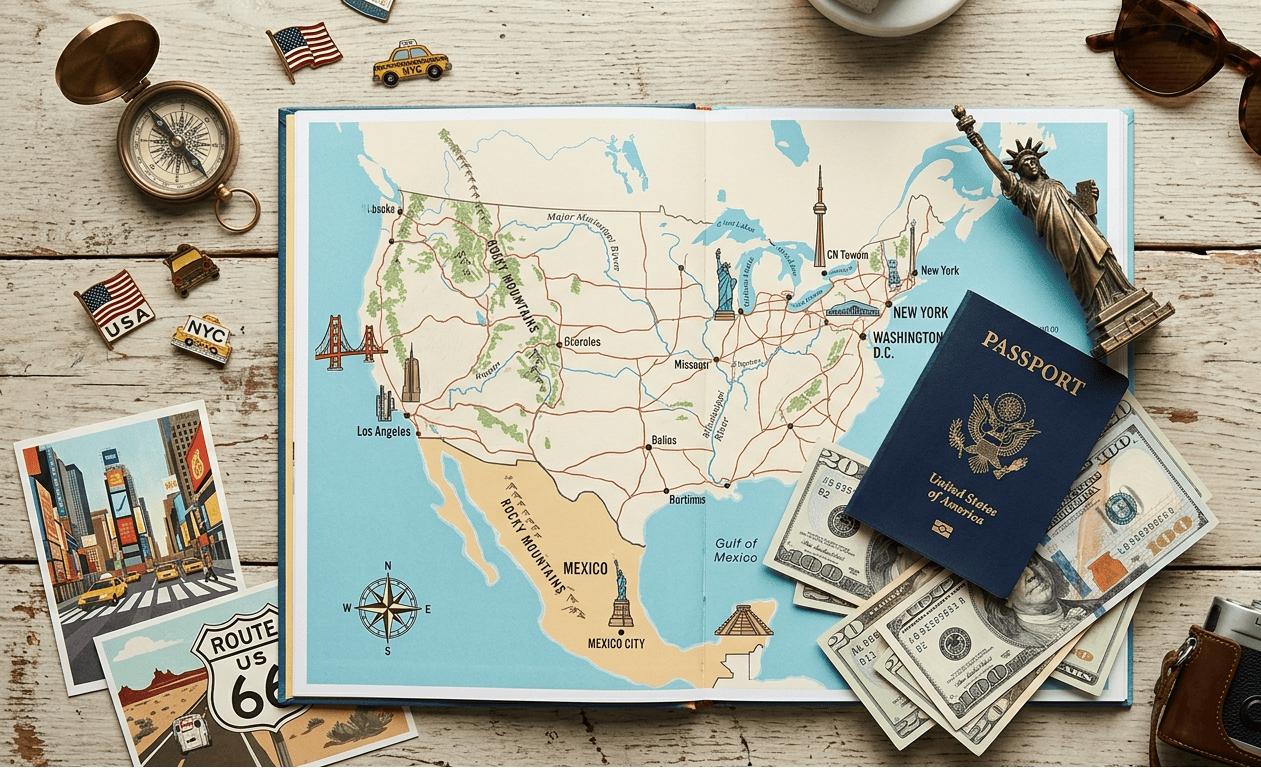
From the neon-drenched avenues of New York City and the pristine wilderness of the grand national parks to the sun-soaked coastlines of California, the United States offers a staggering variety of travel experiences. But because it spans an entire continent, predicting the total damage to your wallet can feel intimidating.
According to recent economic data, the average cost for a one-week trip to the U.S. lands around $1,991 per person (or roughly $3,982 for couples sharing lodging costs). However, your actual expenses will fluctuate wildly based on your travel style, the specific states you visit, and the season you book.
Daily Budget Breakdown by Travel Style
To give you a clearer financial blueprint, standard day-to-day spending in the U.S. generally scales across three distinct tourist profiles (excluding your long-distance international flights):
1. The Budget Traveler (~$120 per day)
Perfect for backpackers, solo explorers, and road-trippers intent on stretching every dollar.
- Accommodation: A single bed in a city hostel dorm or a basic roadside budget motel room outside major metro areas ($37 to $80 per night).
- Food: Fast-casual meals, local grocery store runs, or a classic slice of New York-style pizza ($35 to $41 daily).
- Transit: Navigating cities via urban public transit metros or intercity coach buses like Greyhound ($15 to $20 daily).
2. The Mid-Range Explorer (~$325 per day)
The most common profile for couples and families looking for a seamless, comfortable holiday without a luxury price tag.
- Accommodation: Well-reviewed 3-star chain hotels or cozy vacation rentals outside the immediate city centers ($130 to $170 per night).
- Food: A sit-down casual lunch, standard dinners at neighborhood bistros, and a casual evening cocktail or beer ($95 to $105 daily).
- Transit: Utilizing regional rideshare apps like Uber or Lyft for short hops, or securing a standard rental car ($40 to $50 daily).
3. The Luxury Seeker (~$940+ per day)
For high-end travelers aiming to indulge in premier American hospitality, premium culinary hotspots, and exclusive excursions.
- Accommodation: Five-star luxury stays, boutique hotels in premium central locations, or high-end Airbnbs in hotspots like Manhattan or Beverly Hills ($300 to $600+ per night).
- Food: Fine-dining experiences, multi-course tastings, and premium drinks ($250+ daily).
- Transit: Private airport transfers, premium car rentals, or business class domestic flights.
Key Expense Categories Explained
Accommodation: Location is Everything
Lodging is historically the single largest line item on an American vacation itinerary, swallowing roughly 35% of a total travel budget. Geographic location dictates the baseline pricing: premium destinations like Big Sur, New York, or Los Angeles carry massive hotel premiums where mid-range rooms often exceed $250 a night. Conversely, exploring inland hidden gems or mid-sized towns can cut your lodging bills completely in half.
Transportation: Road Trips vs. Flying
Because of the massive distances between states, moving around costs real money.
- Domestic Airfare: If your itinerary jumps across regions (e.g., Los Angeles to New York), domestic flights average about $290 per leg. Adding multiple internal flights can quickly inflate an itinerary.
- Car Rental: For classic scenic routes, car rentals are a highly independent and cost-effective option, averaging about $42 to $80 per day depending on seasonal demand.
Hidden Costs: Tipping and Taxes
International visitors are frequently caught off guard by America’s hidden transaction costs.
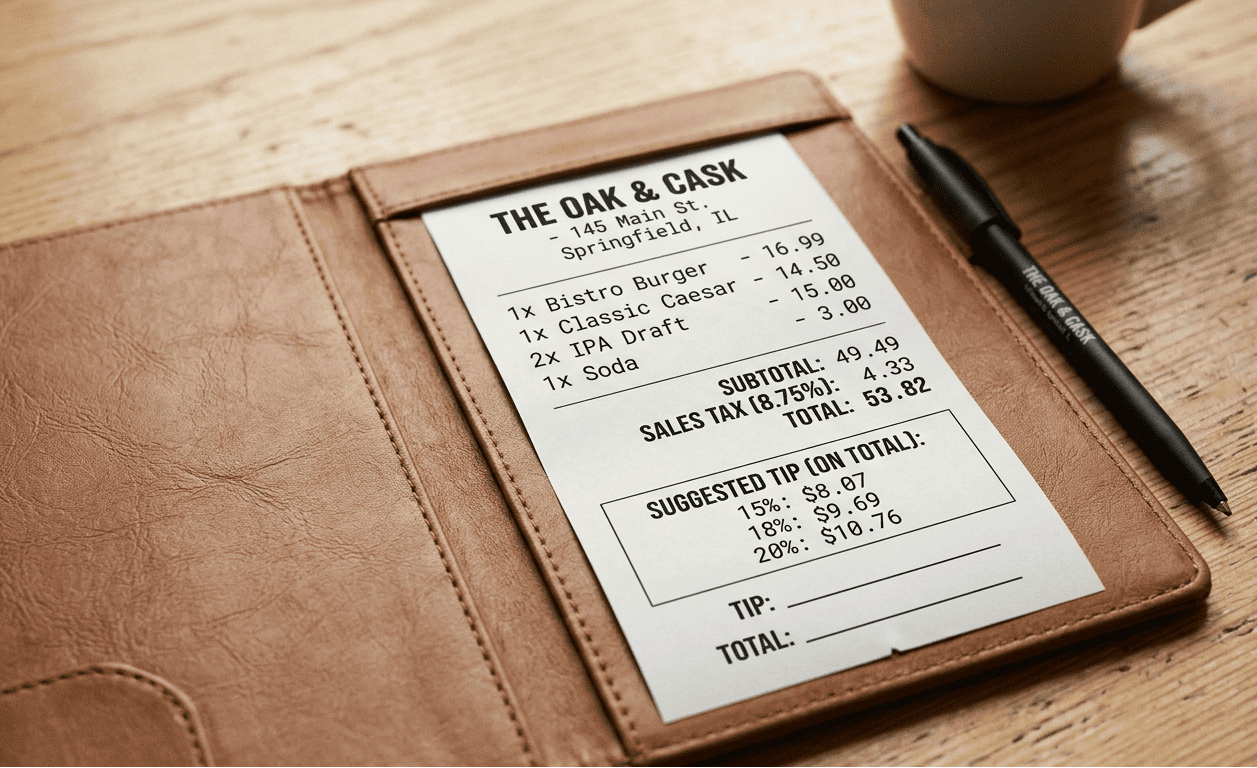
- Sales Tax: Advertised prices on retail items and restaurant menus do not include sales tax. This is added at the register and varies wildly by city and state.
- Tipping Culture: Tipping is non-negotiable for sit-down service in the U.S.. It is custom to add 15% to 20% to your total bill for waitstaff, bartenders, and taxi drivers.
Pro-Traveler Budget Strategies
- Embrace the Shoulder Season: Peak summer (July to August) and winter holiday seasons drive flights and hotel rates up by 25% to 40%. Visiting during the shoulder windows—April to May or September to October—can instantly secure 20% drops on baseline expenses.
- Leverage Package Deals: Bundling your flights, hotels, or car hire together via booking engines like Expedia Vacation Packages can trim hundreds off upfront bookings.
- Secure Quality Protection: The U.S. holds the most expensive medical system on the planet; a minor emergency can easily cost thousands out of pocket. Never arrive without high-quality international medical coverage from an established entity like Berkshire Hathaway Travel Protection.
- Track Border Requirements: Remember to factor in your mandatory pre-travel visa processing costs, such as checking entry authorization fees on the official U.S. Customs and Border Protection portal.