How Much Does a Trip to France Cost?

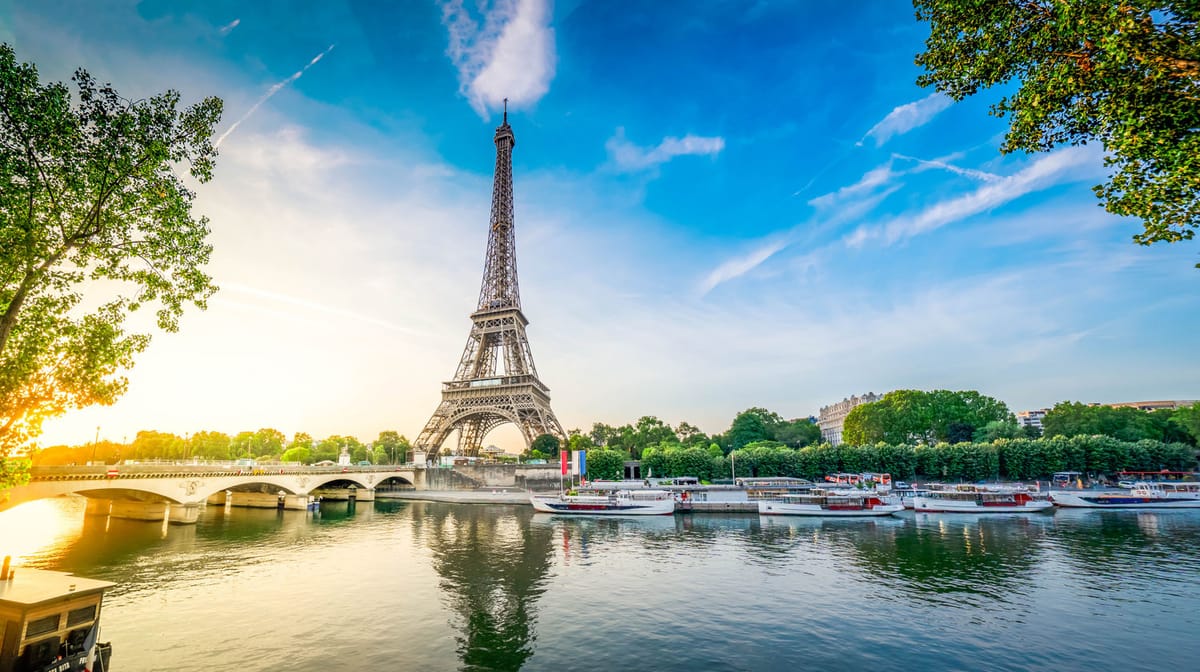
France is one of the most popular travel destinations in Europe, attracting visitors with its historic cities, beautiful countryside, world-famous cuisine, museums, and iconic landmarks. Although France can be expensive, it is possible to enjoy a memorable 5–7 day trip on a budget with careful planning.
For a budget traveler, a 5–7 day trip to France can typically cost around €700–€1,200 per person, excluding international flights. The final cost depends on the season, accommodation, transportation, activities, and how much you spend on food and shopping.
Accommodation Costs
Accommodation is usually one of the biggest expenses during a trip to France. Budget travelers can reduce costs by staying in hostels, simple guesthouses, or budget hotels instead of luxury properties.
A hostel bed may cost approximately €25–€50 per night, while a basic budget hotel or private room can range from €60–€120 per night depending on the city and travel season. Paris is generally more expensive than smaller French cities.
For a 6-night stay, a budget traveler could expect to spend roughly €180–€600 on accommodation.
Food and Dining
France is famous for its food, but you do not need to eat at expensive restaurants to experience French cuisine. Bakeries, supermarkets, cafés, local markets, and inexpensive restaurants can help keep your daily food budget under control.
A budget traveler can plan to spend around €25–€45 per day on food. A typical affordable day might include a pastry and coffee for breakfast, a sandwich or casual meal for lunch, and an inexpensive restaurant meal or supermarket dinner.
For a 5–7 day trip, budgeting approximately €125–€315 for food is reasonable for travelers who are careful with their spending.
Transportation in France
France has an excellent public transportation network, making it relatively easy to travel without renting a car. In cities such as Paris, using the metro, buses, and trains can be much cheaper than taking taxis.
If you are mainly visiting Paris, local transportation can be kept relatively affordable. If you want to visit other cities, train tickets should be booked early whenever possible because prices can increase closer to the departure date.
A reasonable budget for local transportation and a few intercity journeys is around €60–€180 per person, depending on your itinerary.
Attractions and Activities
France offers plenty of free or inexpensive experiences. Walking through historic neighborhoods, visiting public parks, exploring markets, and enjoying the architecture can cost little or nothing.
However, popular attractions such as museums, monuments, and famous landmarks may require entrance fees. If you are visiting Paris, you may want to budget approximately €50–€150 for attractions during a 5–7 day trip.
Planning your sightseeing in advance can help you decide which attractions are worth paying for and which experiences you can enjoy for free.
International Flights
International airfare is not included in the €700–€1,200 budget because flight prices vary significantly depending on your departure country, airline, travel dates, and how early you book.
For the best chance of finding a cheaper flight, compare several airlines, consider traveling during the shoulder or low season, and avoid major holiday periods. Booking several weeks or months ahead can also make a significant difference.
Example Budget for 6 Days in France
A budget traveler could plan approximately:
Accommodation: €180–€600
Food: €150–€270
Local and intercity transportation: €60–€180
Attractions: €50–€150
Miscellaneous expenses: €50–€100
This gives an estimated total of approximately €490–€1,300, excluding international flights. For a comfortable budget trip, setting aside around €700–€1,200 per person is a practical target.
How to Save Money in France
The easiest way to reduce your travel costs is to book accommodation and transportation in advance. Staying slightly outside the most expensive tourist areas can also save money while still giving you convenient access to public transportation.
Eating at local bakeries, supermarkets, and casual restaurants instead of tourist-oriented restaurants can significantly reduce your daily expenses. You can also take advantage of free attractions, walking tours, parks, public squares, and scenic neighborhoods.
Traveling outside the peak summer season is another effective way to save. Spring and autumn can offer a good balance between pleasant weather, fewer crowds, and potentially lower prices.
Is France Expensive for Tourists?
France can certainly be expensive, particularly in Paris and during the busiest travel periods. However, it does not have to be an extremely expensive destination. With budget accommodation, public transportation, affordable meals, and carefully selected activities, travelers can experience France without spending a fortune.
For a 5–7 day budget trip, a good target is around €700–€1,200 per person excluding international flights. With smart planning, this budget can cover accommodation, food, transportation, sightseeing, and everyday expenses while still allowing you to enjoy the highlights of France.
Ultimately, the amount you spend depends on your travel style. A backpacker can spend considerably less, while a traveler choosing private hotels, frequent restaurant meals, and paid attractions can easily spend much more. The key to an affordable trip is planning your major expenses before you arrive and leaving some flexibility in your budget for unexpected experiences.