High-Speed Connectivity: Vande Bharat Expansion Triggers Unprecedented Surge in India's Domestic Tourism
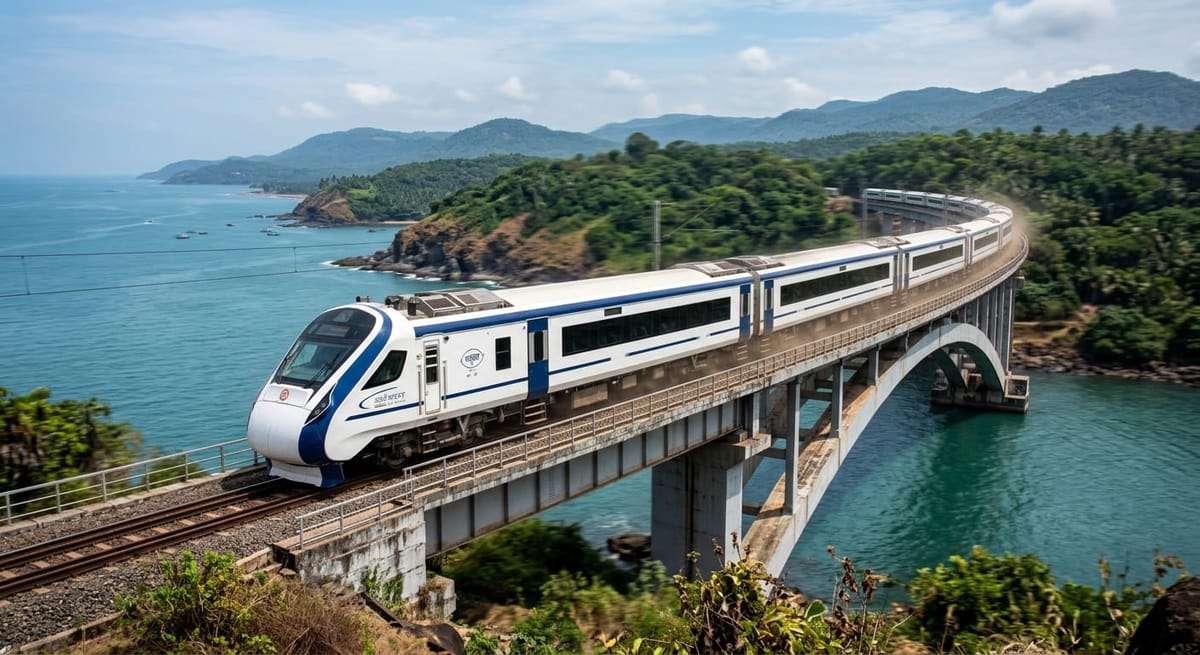
India’s domestic tourism sector is undergoing a massive transformation, fueled by the rapid expansion of the indigenously built Vande Bharat Express network. Official figures released by the Ministry of Railways reveal a sharp 34 percent year-on-year increase in passenger volumes on these semi-high-speed trains, reaching nearly 4 crore passengers in the recent fiscal year.
This rapid infrastructure growth is redefining domestic travel habits, connecting metro hubs directly to key cultural, heritage, and pilgrimage destinations across the country.
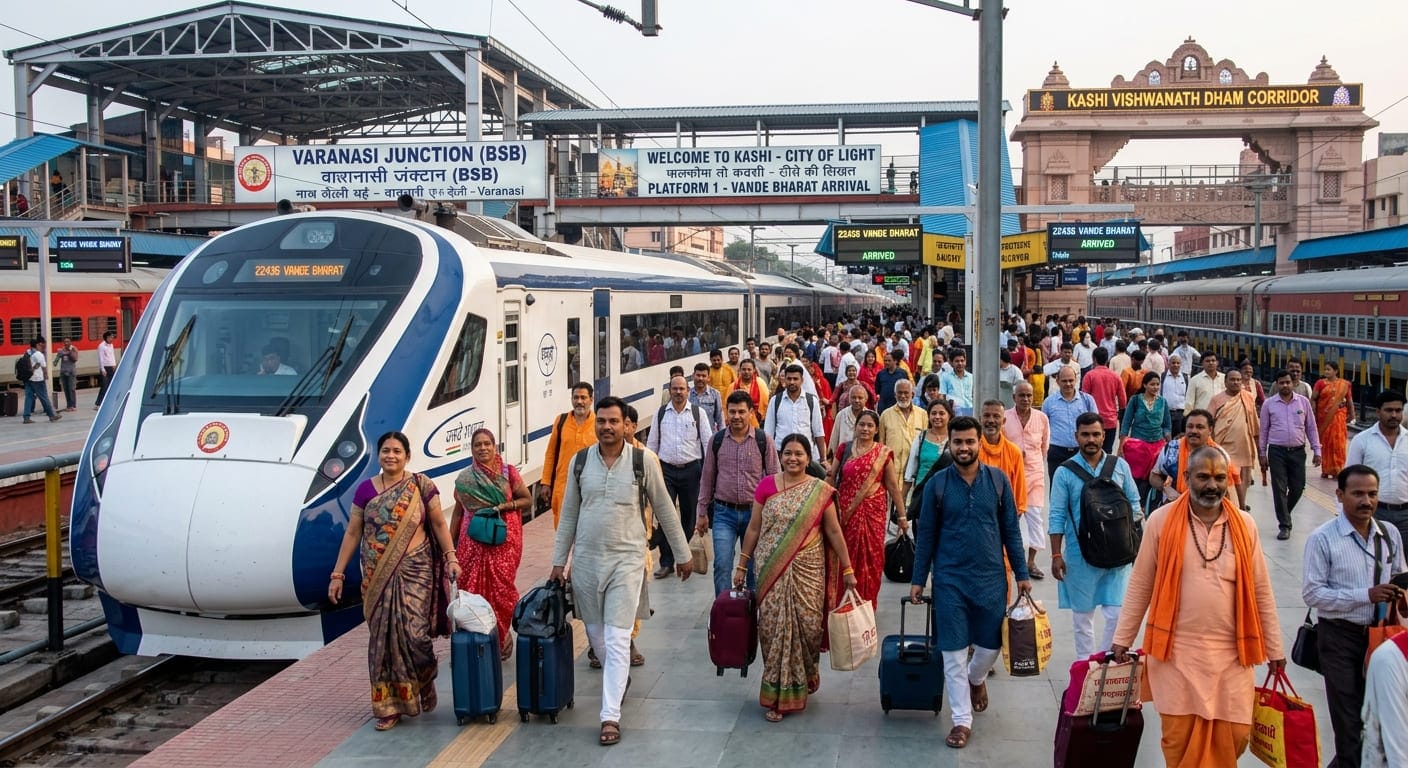
Religious and Cultural Circuits See Peak Footfalls
The impact of high-speed rail connectivity is most pronounced along high-demand tourist and pilgrimage corridors:
- Pilgrimage Destinations: The New Delhi–Varanasi and New Delhi–Shri Mata Vaishno Devi Katra routes remain the network's busiest services, having cumulatively carried over 1.29 crore travelers to major spiritual centers.
- Southern Tourist Hubs: High occupancy rates on the Secunderabad–Visakhapatnam and Chennai–Mysuru routes demonstrate growing demand for coastal and heritage travel across southern states.
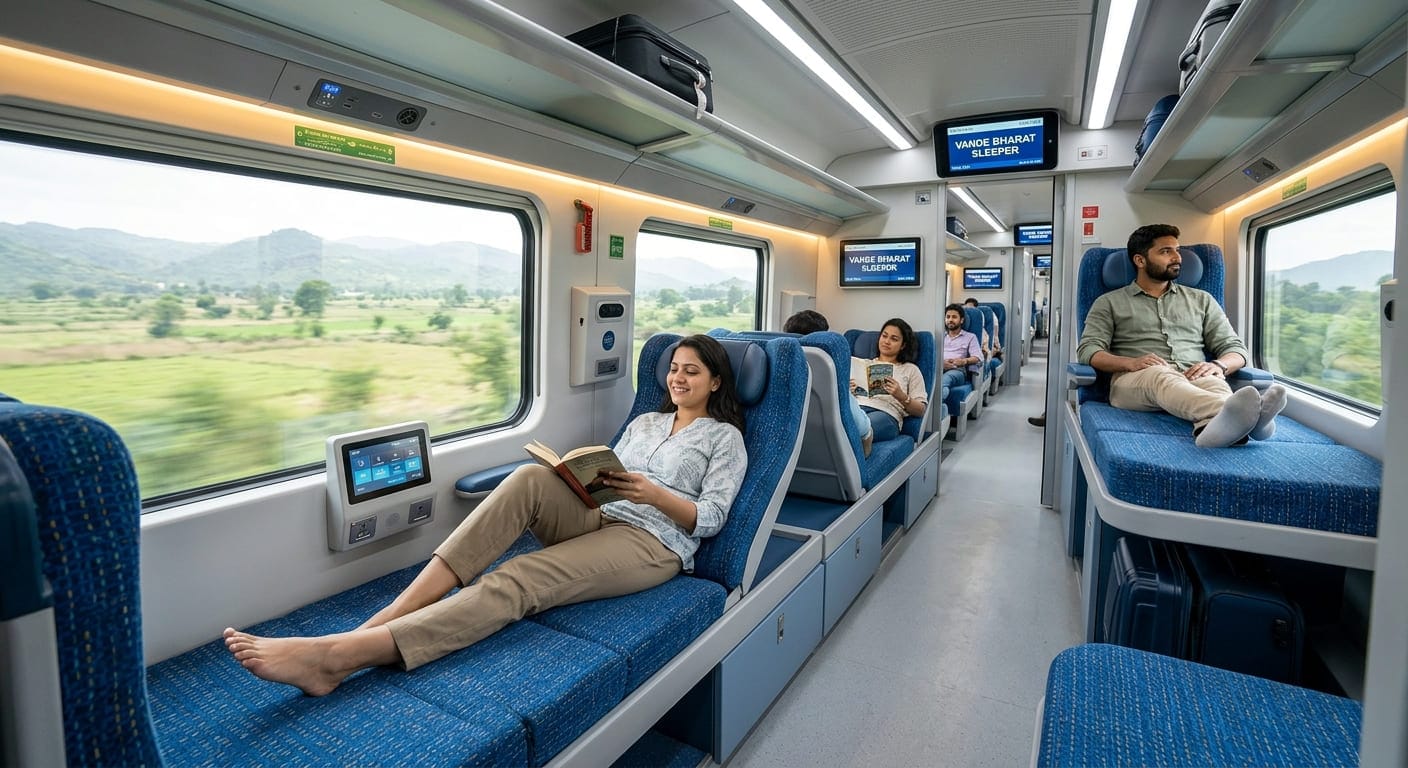
- Overnight Travel Shift: The introduction of Vande Bharat Sleeper services has expanded options for long-distance leisure travelers, maintaining over 100 percent occupancy across initial routes.
Key Drivers of the Domestic Travel Boom
According to tourism industry reports from the Ministry of Tourism, reduced transit times and improved onboard amenities have incentivized weekend getaways and short-haul regional vacations:
- Time Efficiency: Reduced travel times—saving up to 25 to 30 percent of total journey duration on major routes—make weekend excursions feasible for urban professionals.
- Premium Comfort & Safety: Modern amenities, automatic doors, and upgraded safety features like the indigenous Kavach system have drawn middle-class and family travelers away from domestic air travel.
- Regional Business Impact: Enhanced connectivity has spurred hospitality development, local tour operator demand, and artisanal market growth in Tier-2 and Tier-3 destination cities.
Strategic Future Outlook
To sustain this momentum, Indian Railways is scaling up infrastructure investments, including new multi-tracking projects and station modernizations under the Amrit Bharat initiative. With over 160 operational services active across various zones, the expansion continues to serve as a cornerstone for India’s broader economic and tourism development goals.