
Greece Hosts Regional European Tourism Summit to Drive Year Round Travel Initiatives
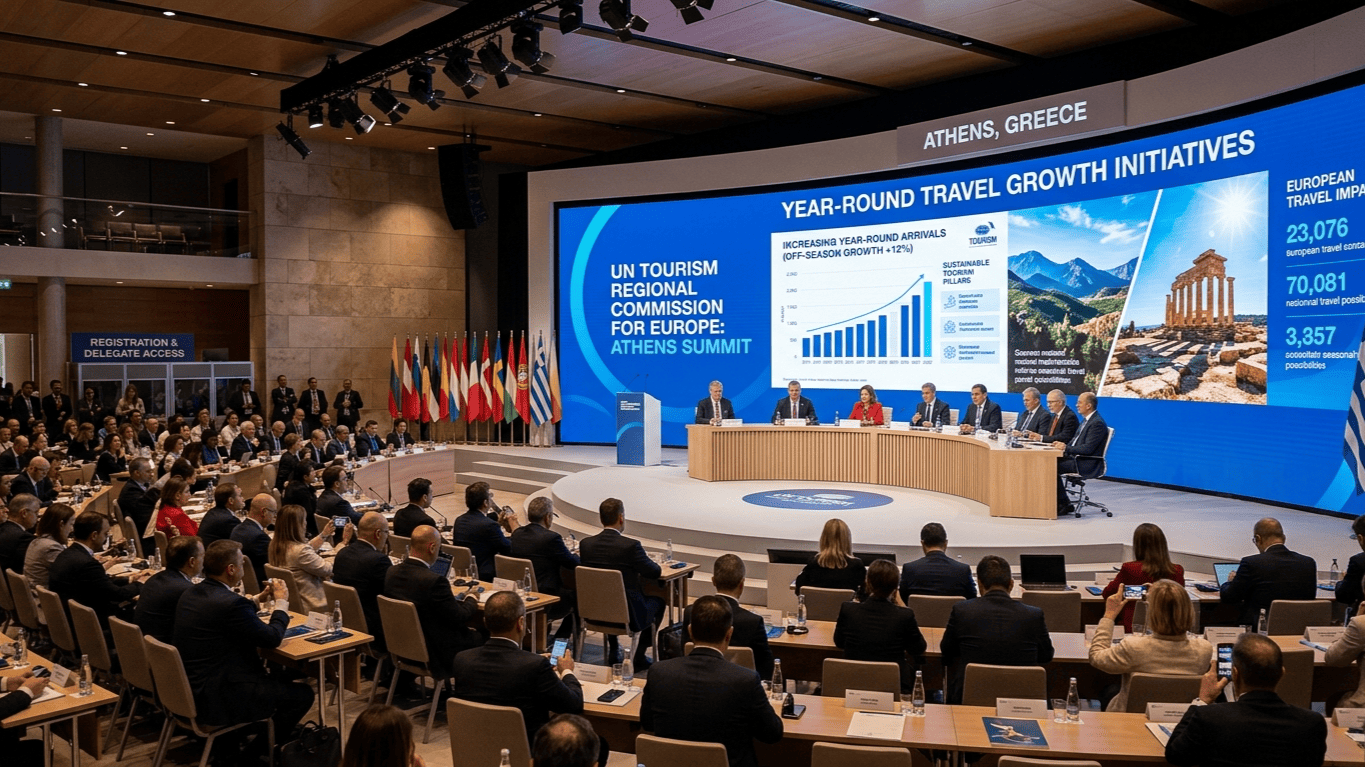
Delegates, tourism ministers, and industry executives gathered in Athens this week for a landmark European travel summit centered on dismantling traditional travel seasonality. Hosted by the Greek Ministry of Tourism in collaboration with regional European travel authorities, the conference focused on transforming Europe’s travel economy into a sustainable, 365-day model.
As popular Mediterranean destinations face seasonal bottlenecks during peak summer months, international policymakers are doubling down on strategies to redistribute visitor numbers evenly throughout the year. The forum highlighted fresh policy frameworks, regional marketing initiatives, and infrastructure investments aimed at positioning Europe as an attractive destination in autumn, winter, and spring.
Shifting Focus Beyond Summer Peaks
The core objective of the summit revolves around relieving pressure on over-visited coastal hotspots while boosting local economies during shoulder and off-peak seasons. European travel leaders emphasized that expanding seasonal offerings protects local culture, preserves natural ecosystems, and provides year-round employment stability for hospitality workers.
"Extending the travel calendar isn't just about economic growth; it's about building long-term resilience for local communities," noted European tourism delegates during a keynote panel on sustainable destination management. "By diversifying travel experiences—from cultural heritage trails to mountain eco-tourism—we can create balanced travel ecosystems that benefit both visitors and residents."
Infrastructure Investments and Route Expansion
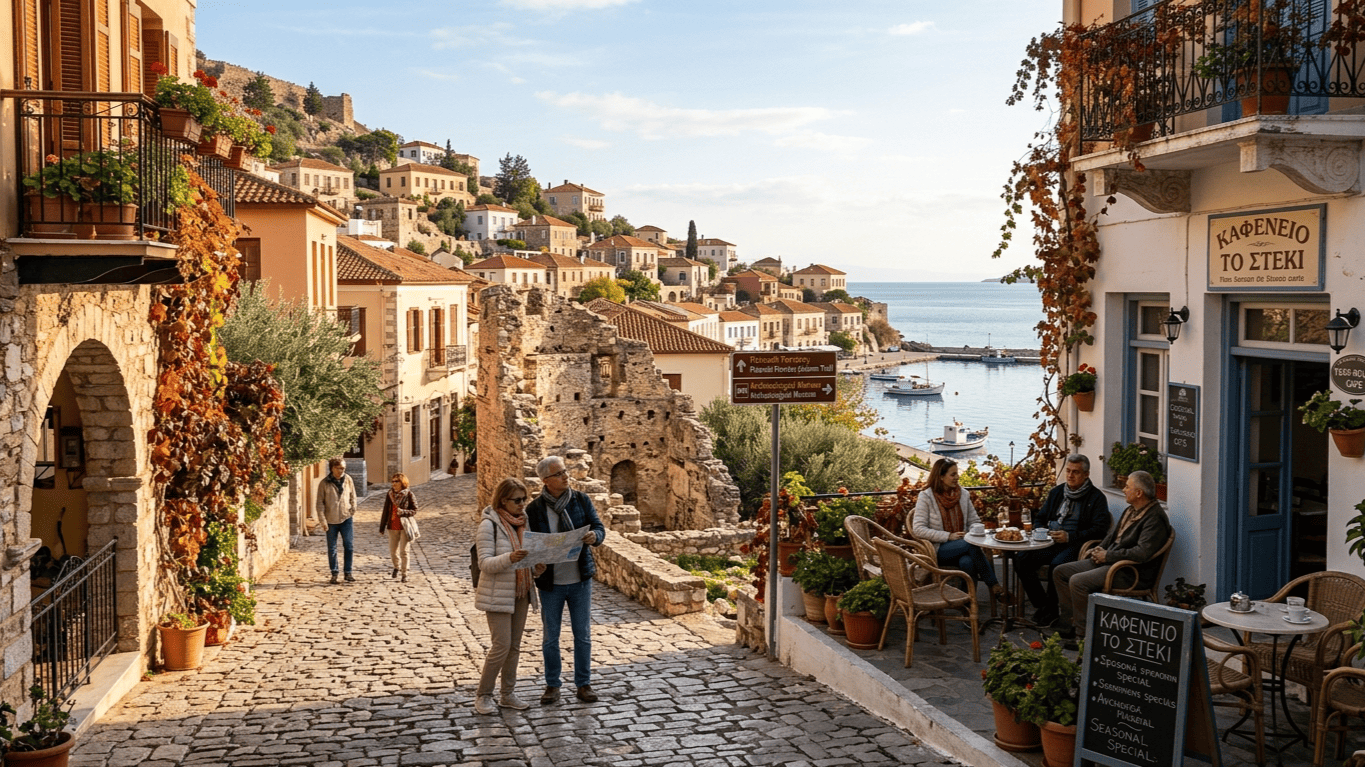
A significant portion of the summit’s agenda addressed logistical barriers that historically limit off-season travel. Representatives from major European airlines and transport hubs discussed plans to maintain essential flight frequencies and transit links beyond the typical April-to-October window.
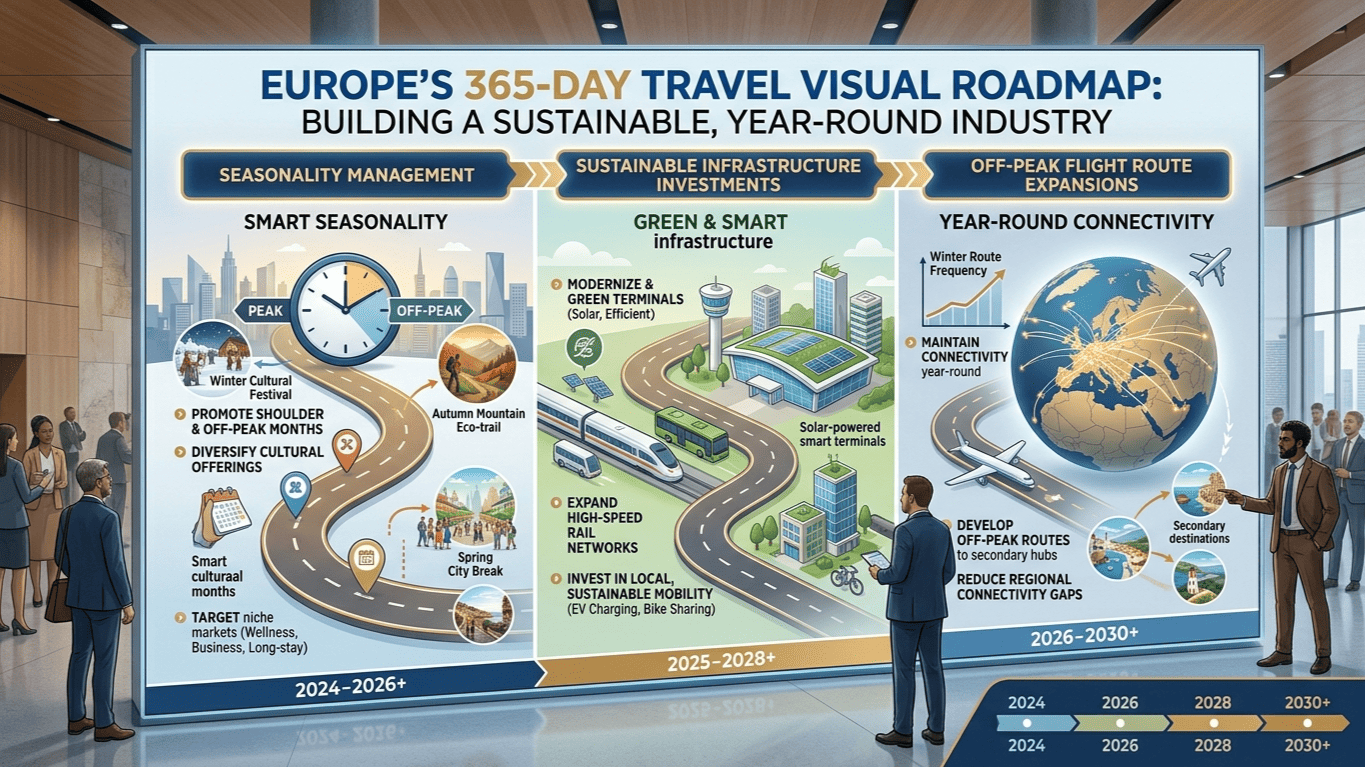
- Year-Round Airline Routes: Collaborating with regional and low-cost carriers to maintain flight routes connecting primary European cities to secondary cultural and nature destinations during winter months.
- Promoting Alternative Regions: Shifting focus toward inland destinations, UNESCO heritage sites, and mountain landscapes to encourage visitors to explore beyond sun-and-sea holidays.
- Sustainable Mobility: Investing in regional train links and low-carbon transport options to ensure seamless connectivity across mainland territories.
To keep up with evolving destination policies and regional travel updates, travelers can review guidelines and official announcements on the UN Tourism global platform.
Regional Spotlight: Diversifying the Destination Portfolio
Greece presented its own strategic roadmap during the event, showcasing how mainland regions, cultural hubs, and mountainous destinations are being positioned alongside iconic island routes. Officials underscored that off-season visitors benefit from lower accommodation costs, pleasant weather for active outdoor travel, and authentic interactions with local communities.
Travelers looking to plan trips across Europe outside peak periods can access flight and destination insights via Visit Greece Official Portal for seasonal itineraries and regional travel advisories.
Key Takeaways for European Travelers
For consumers planning upcoming trips across Southern and Central Europe, the industry shift toward 365-day tourism offers several practical advantages:
- Greater Fare Flexibility: Expanded winter and shoulder-season airline schedules mean more competitive pricing and better routing choices.
- Authentic Cultural Experiences: Visiting historic monuments and city centers during off-peak months avoids heavy overcrowding and long entrance queues.
- Enhanced Sustainable Choices: Choosing off-season travel directly reduces environmental strain on sensitive coastal habitats and water infrastructure.