
Global Travelers Opt Elsewhere as High Costs and Visa Barriers Stifle U.S. Tourism Recovery
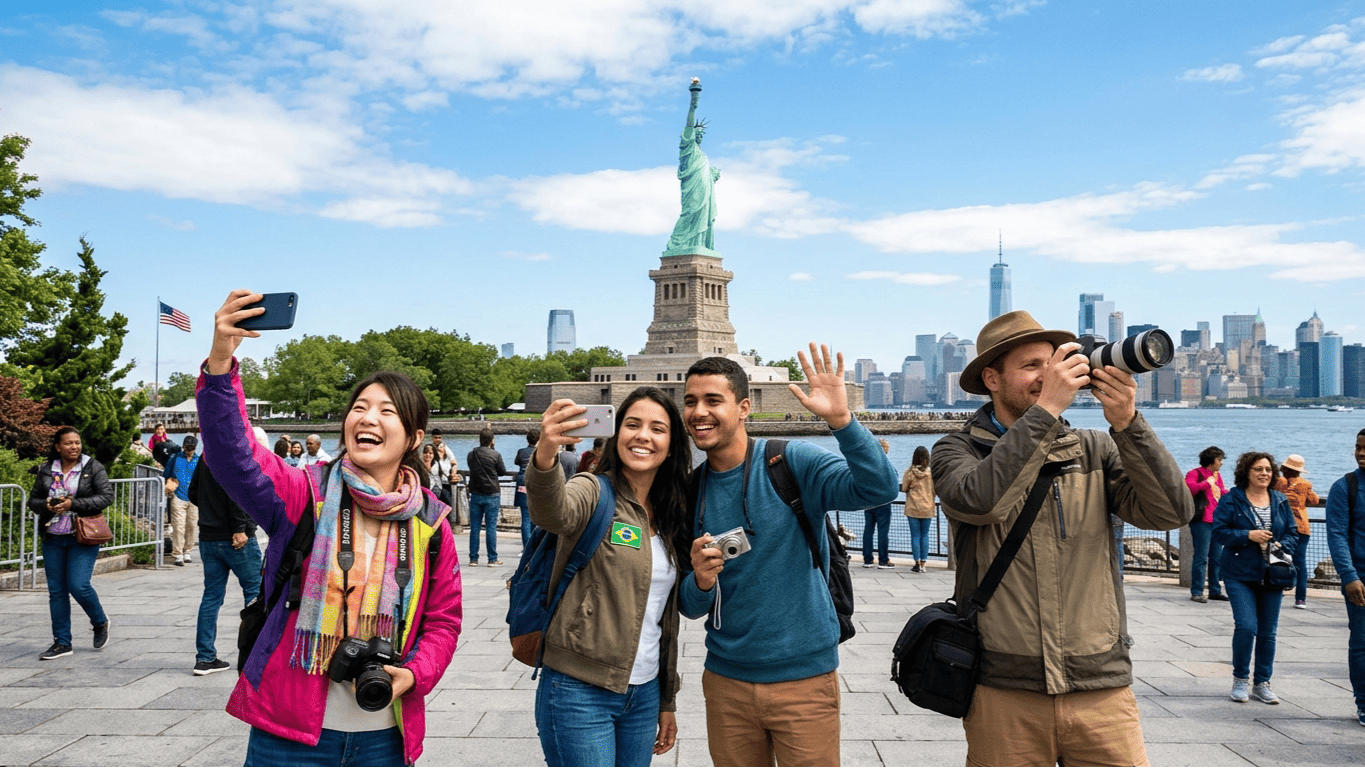
Despite multi-million-dollar marketing campaigns and federal initiatives aimed at positioning the United States as a premier destination, international inbound tourism continues to lag behind historical benchmarks. Persistent visa processing delays, elevated living costs driven by a strong U.S. dollar, and stiff global competition are combining to slow the recovery of America's travel export economy.
Data compiled by the National Travel and Tourism Office (NTTO) highlights that while global travel volumes have largely normalized following pandemic-era disruptions, overseas visitor arrivals in key U.S. metropolitan regions remain lower than initial pre-crisis projections.
Industry leaders warn that the protracted rebound is costing the national economy billions in uncaptured international spending.
Policy Hurdles and Financial Friction
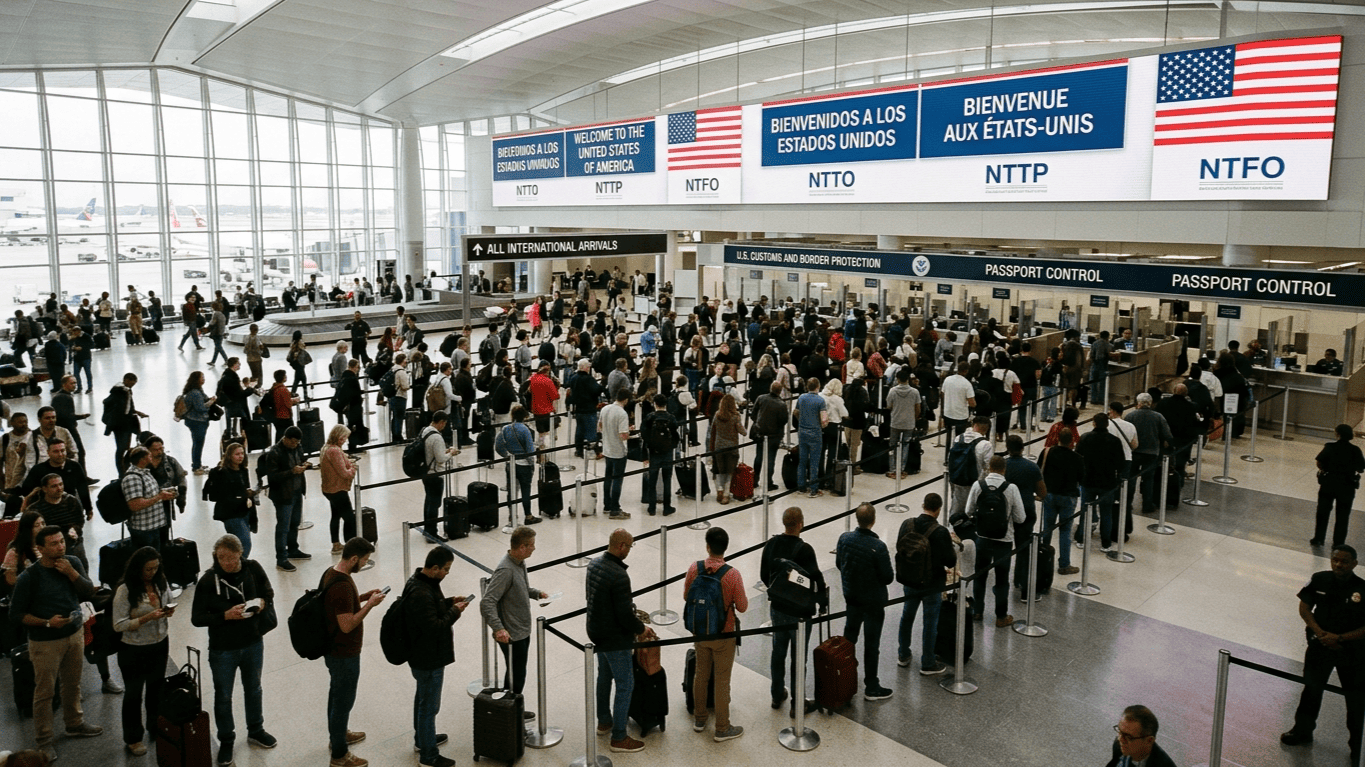
One of the most significant headwinds facing prospective travelers remains the extended interview wait times for first-time visitor visas at key U.S. embassies abroad. In major source markets across Latin America and Asia, prospective tourists frequently face multi-month wait times just to secure a visa interview, encouraging many to redirect their leisure plans to European or Asian destinations with more flexible entry policies.
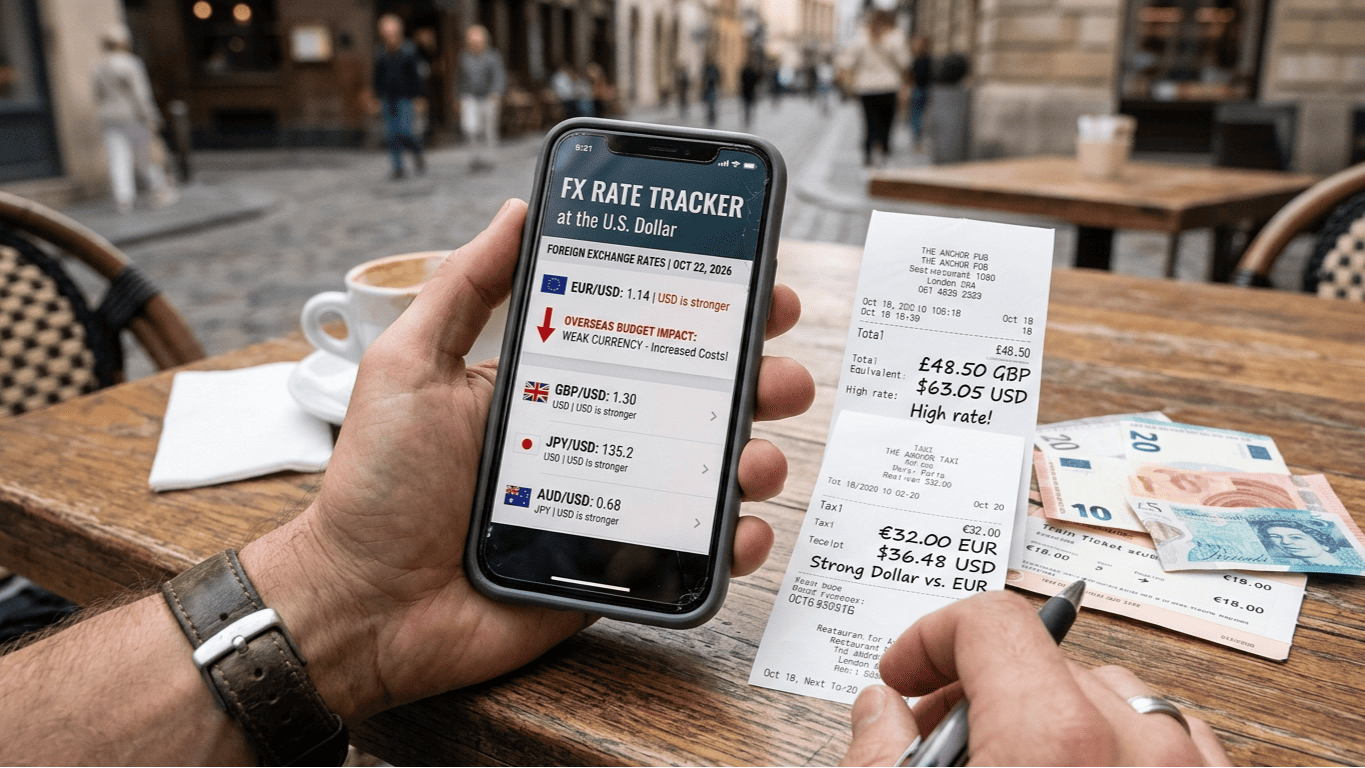
Finances present another formidable barrier. A resilient U.S. dollar has made dining, accommodation, and domestic transportation considerably more expensive for visitors converting foreign currencies. Additionally, elevated room rates across major hotel markets have compressed international travel budgets, prompting shorter stay durations.
According to policy updates published by the U.S. Travel Association, every percentage drop in international visitor spending equates to approximately $1.8 billion in lost economic output. The association has urged government agencies to accelerate visa processing capacity and streamline airport entry customs to bolster international competitiveness.
Global Competition Intensifies
While U.S. tourism boards work to refresh destination branding, competing international markets are capitalizing on traveler hesitancy. Countries across Western Europe and East Asia have launched aggressive tourism incentive programs, expanded visa-waiver agreements, and modernized air transportation infrastructure to capture a larger share of high-spending long-haul travelers.
Federal promotion entities like Brand USA continue to launch promotional campaigns targeting long-haul leisure markets. However, travel trade analysts note that marketing alone cannot fully overcome structural entry barriers or currency headwinds.
As the United States prepares to host major global events—including the FIFA World Cup and the Summer Olympic Games—industry stakeholders emphasize that systemic policy reforms will be vital to restoring inbound visitor momentum.