
Popular Destinations Expand Overtourism Countermeasures as Daytripper Regulations and Fees Take Effect

Tourism management authorities across Europe and the Middle East are shifting from temporary overcrowding measures to permanent structural interventions. Popular destinations hit by daily visitor surges are enforcing targeted daytripper fees, timed-entry reservation systems, and regional dispersal programs designed to spread economic benefits while protecting local infrastructure.
The shift reflects growing pressure on urban centers and historical sites where peak-hour visitor density frequently exceeds sustainable limits. Destination management organizations (DMOs) are targeting unmanaged day visits, which contribute heavily to foot traffic and congestion without providing proportional support to local hospitality economies.
Targeted Fees and Dynamic Access Limits
Municipal authorities are increasingly using financial and operational levers to manage visitor volume. In Europe, entry fees and access restrictions for non-overnight visitors have expanded across iconic heritage zones.
Venice expanded its pioneer access fee structure for non-overnight visitors during peak periods, while municipal authorities in Rome implemented timed-entry ticketing and access charges for high-density landmarks like the Trevi Fountain. Meanwhile, major cultural institutions such as The Louvre have introduced tiered ticket structures and capacity limits to balance international demand against site conservation.
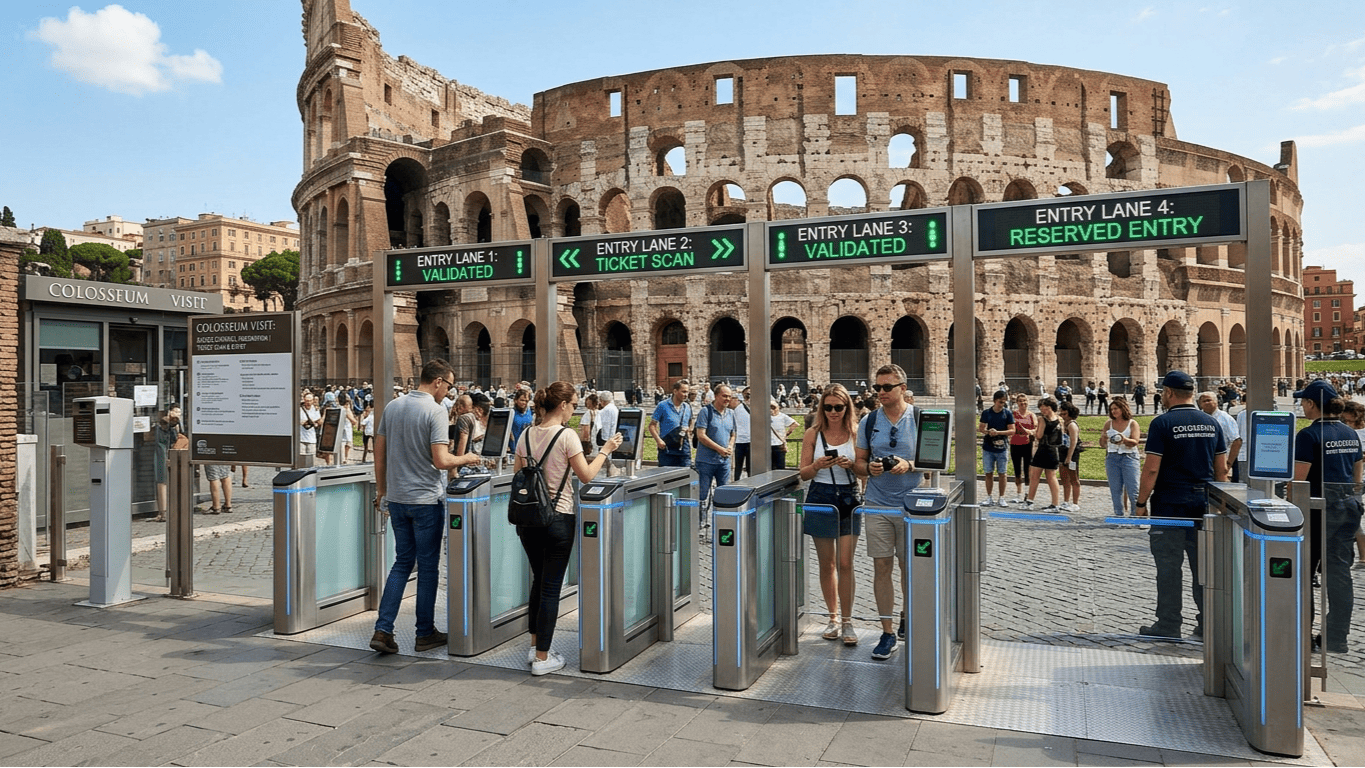
Simultaneously, municipal leaders are tackling short-term rental concentration. Cities across Southern Europe—including Athens, Barcelona, and Lisbon—have restricted short-term rental permits in historic city centers to protect resident housing supply and stabilize neighborhood demographics.
Regional Dispersal and Secondary Base Strategies
Beyond entry fees, tourism boards are redesigning visitor distribution models. Rather than capping total arrival numbers, regional authorities in the Middle East and Southern Europe are actively directing traffic toward secondary destinations and off-peak travel corridors.
In the Middle East, heritage destinations are integrating smart booking systems and shuttle logistics to prevent overcrowding during peak hours at primary sites. These programs encourage travelers to utilize secondary bases, extending stays in surrounding towns rather than crowding primary urban corridors on brief day excursions.
Industry analysts from the World Travel & Tourism Council highlight that sustainable growth depends on balancing destination capacity with visitor experience. As regulatory frameworks expand worldwide, travelers are adjusting their planning strategies—booking restricted site access well in advance and building itineraries around lesser-visited regional destinations.