
Global Airlines Extend Middle East Flight Suspensions Amid Ongoing Regional Airspace Disruptions
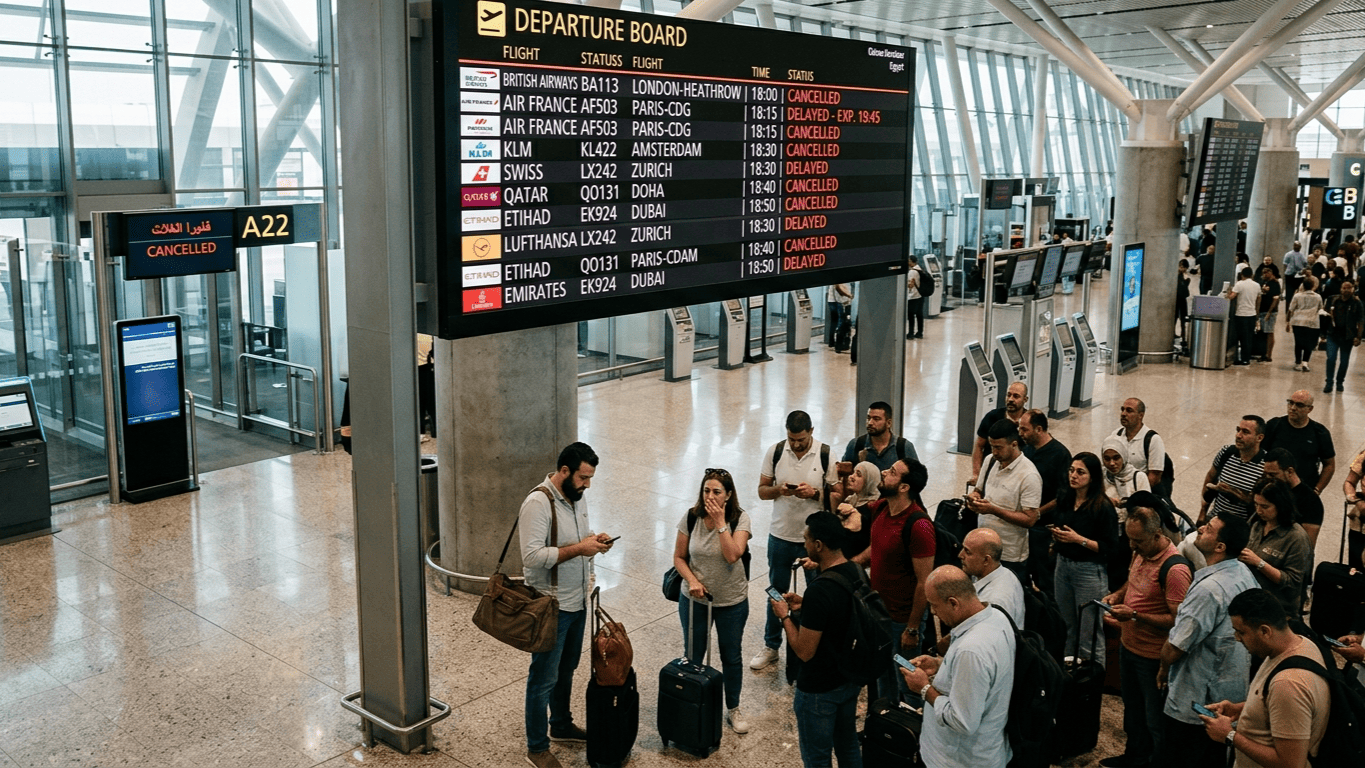
International airlines are once again revising flight schedules and extending service suspensions across key regional hubs in response to persistent airspace risks and heightened security concerns. The latest operational updates from major European and Asian carriers reflect a cautious stance as airlines work around restricted flight corridors and evolving travel advisories.
According to updates monitored via the IATA Travel Centre, route adjustments are affecting long-haul connections linking Europe, North America, and Asia to the Gulf region.
Major European Carriers Push Back Resumption Dates
European flag carriers have taken some of the most decisive steps to limit risk over affected transit corridors. Air France extended its suspension of direct flights between Paris Charles de Gaulle and Dubai International Airport, pushing its target restart date back further as safety assessments continue.
Meanwhile, British Airways confirmed additional schedule modifications across its Middle East network. The carrier has pushed back its planned return to select Gulf routes, advising passengers with existing bookings to utilize flexible rebooking options or request full refunds. KLM and Lufthansa Group airlines, including SWISS and Eurowings, also extended route pauses into late autumn for destinations including Dubai, Riyadh, and Dammam.
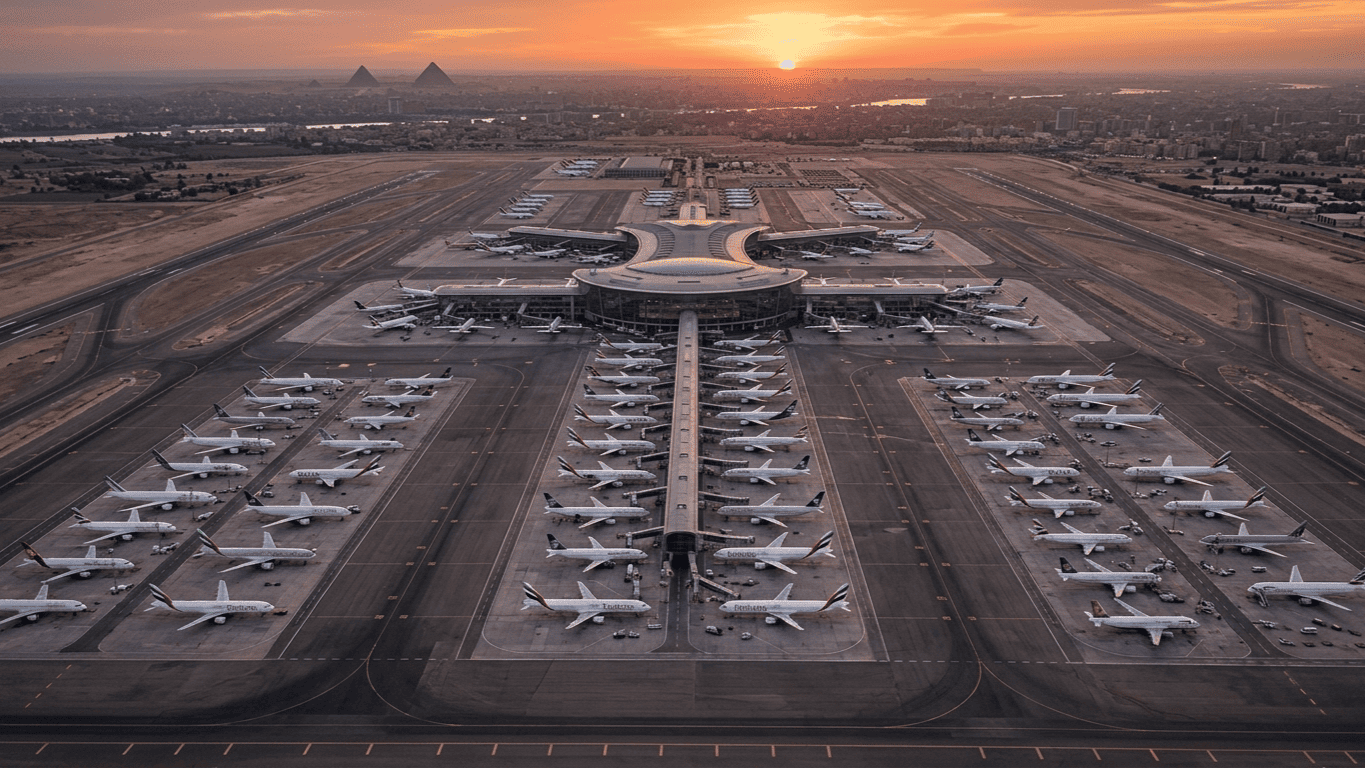
Nordic carrier Finnair announced a longer-term adjustment, opting to suspend its winter seasonal services to both the UAE and Qatar. Passengers seeking flight status notifications and consumer rights guidance during these ongoing schedule changes can track official updates through the U.S. Department of Transportation Aviation Consumer Protection portal or equivalent national aviation authorities.
Gulf Carriers Adjust Schedules and Overflight Patterns
While international long-haul operators have opted for temporary suspensions, regional Gulf carriers continue operating under modified flight paths. Emirates, Etihad Airways, Qatar Airways, and flydubai have maintained high operational capacity across core networks, though individual rotations face delays or selective cancellations when airspace constraints tighten.
Regional flights connecting regional capitals have seen tactical adjustments, with carriers re-routing aircraft to avoid restricted military zones. Passengers traveling through major transit hubs like Dubai International Airport and Zayed International Airport in Abu Dhabi are being strongly urged to verify their flight status online before departing for the airport, as departure gates and schedules remain subject to last-minute revisions.