Fuel Cost Relief Sets Southeast Asian LCCs on Path to Late 2026 Turnaround
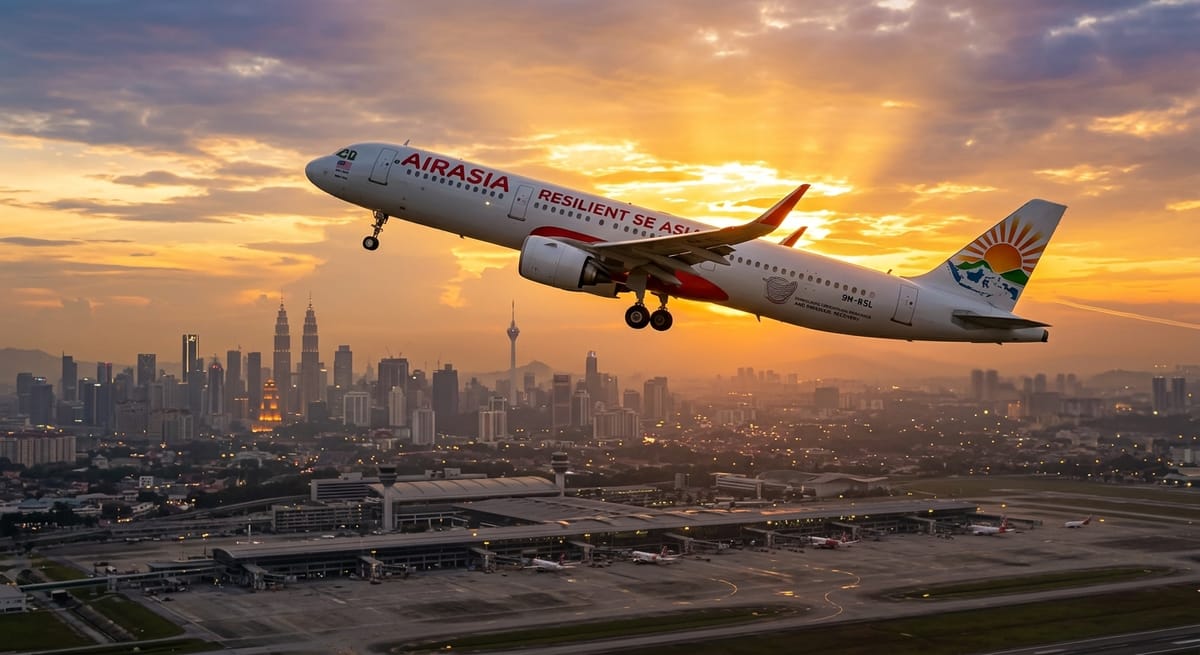
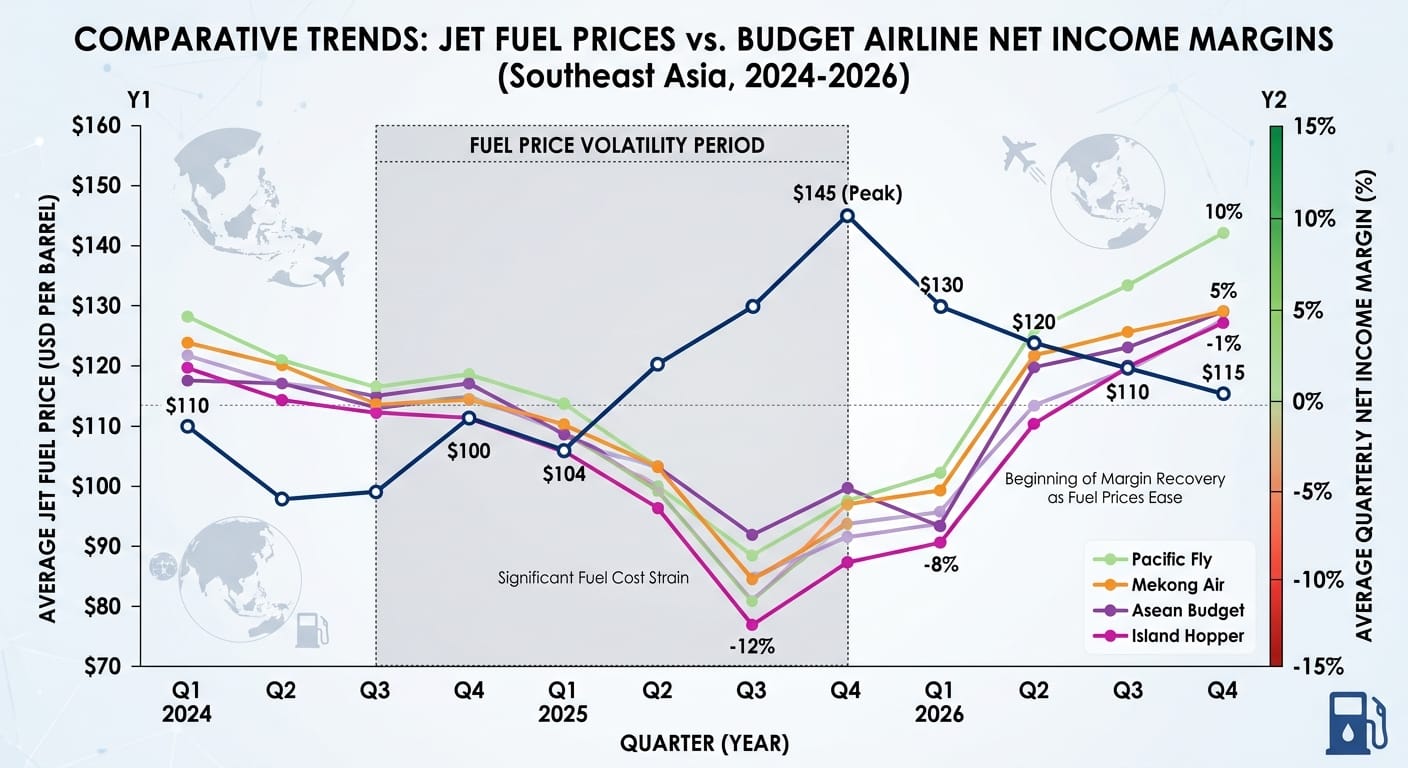
Low-cost carriers (LCCs) across Southeast Asia are preparing for a margins recovery into the late second half of 2026 as global jet fuel prices begin to cool. A severe cost squeeze triggered by Middle East geopolitical shocks sent aviation fuel costs surging above $180 per barrel earlier this year, delivering net losses to regional heavyweights including AirAsia and Cebu Pacific.
While quarterly earnings exposed how vulnerable price-sensitive budget models are to energy spikes, carrier executives confirm that capacity cuts, strategic hedging, and easing fuel costs pave the way for a fourth-quarter turnaround.
Navigating the Second-Quarter Squeeze
Budget airlines operate on razor-thin margins, with fuel representing a significantly higher proportion of operating expenses compared to legacy network carriers. When fuel costs spiked, carriers found it difficult to pass entire price surcharges onto cost-conscious travelers without denting passenger volume.
- Capacity Trimming: AirAsia announced a 20% to 25% year-on-year seat capacity reduction in Q3, returning 25 leased aircraft early to protect cash flow.
- Route Recalibration: Regional routes—such as AirAsia’s Sydney-Kuala Lumpur service and Cebu Pacific’s regional sector flights—were temporarily suspended.
- Strategic Fuel Hedging: Philippines-based Cebu Pacific hedged nearly 30% of its late 2026 fuel volume under $120 per barrel to insulate operations against market volatility.
- Foreign Exchange Headwinds: A strong U.S. dollar compounded pressures on the Malaysian ringgit, Philippine peso, and Thai baht, raising aircraft leasing and fuel procurement costs.
Sights Set on Peak Travel Season
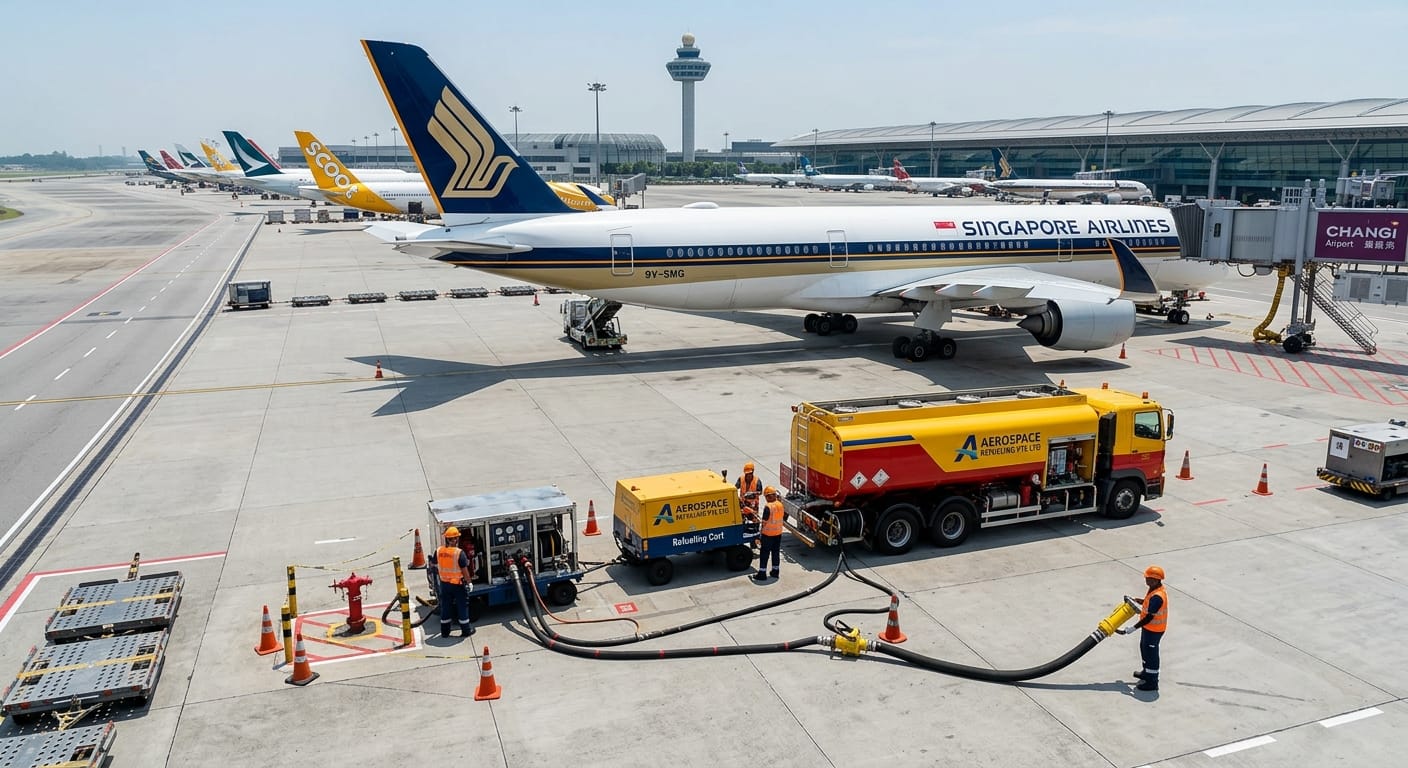
According to regional data tracked by the International Air Transport Association (IATA), international passenger demand in the Asia-Pacific region remains fundamentally resilient. As jet fuel prices stabilize below peak levels, low-cost carriers plan to restore baseline flight capacity in time for the Q4 holiday rush.