
From Suspension to Takeoff: Airlines Restart Routes to Jeddah, Riyadh, and Madinah
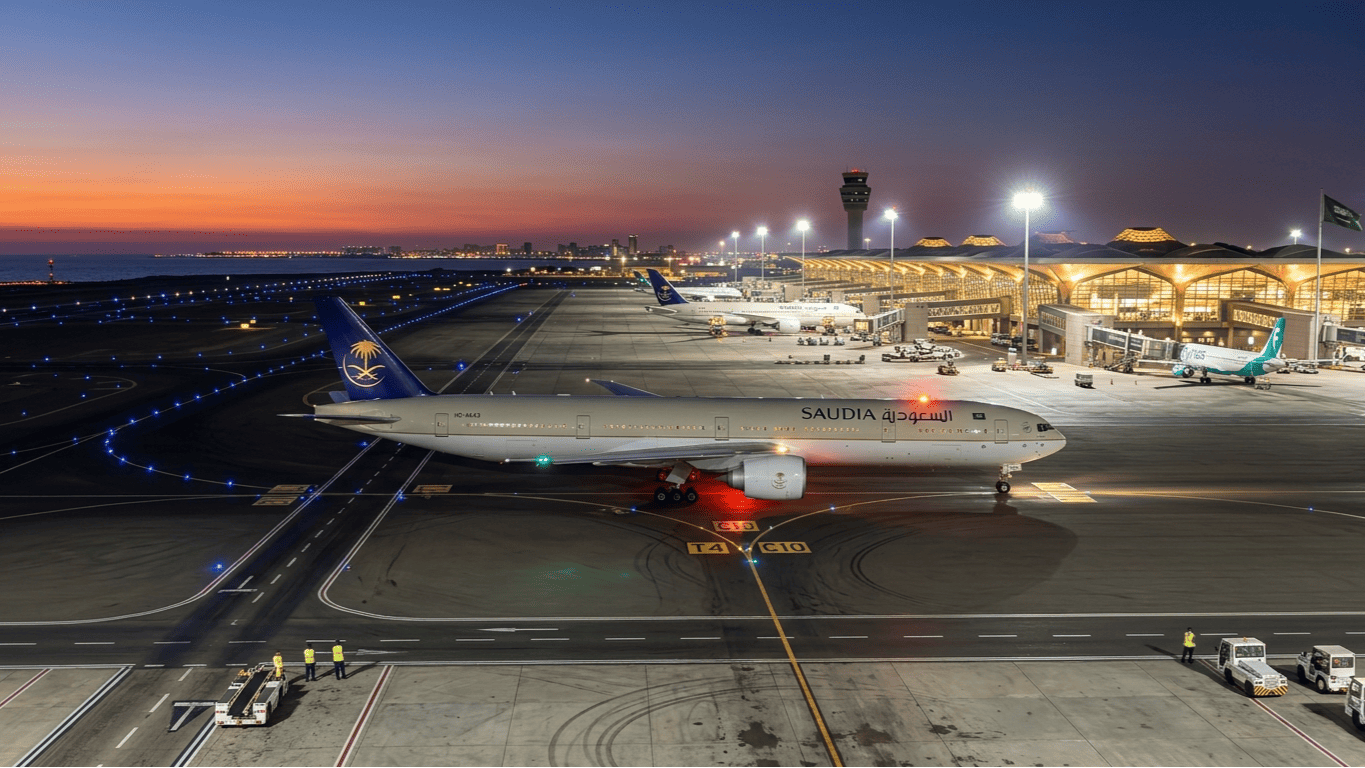
International air connectivity across Saudi Arabia is beginning to recover as several major global airlines restart scheduled passenger services following recent regional security assessments and operational risk reviews.
Carriers including Malaysia Airlines, SriLankan Airlines, and Gulf Air have resumed direct flights into primary Saudi entry points—notably Jeddah (JED) and Madinah (MED)—offering vital relief for international travelers, pilgrims, and commercial transit.
While the phased resumption represents a positive step forward for the Kingdom’s aviation sector, global airlines are adopting a route-by-route approach, with operational decisions heavily contingent on daily risk evaluations.
Phased Resumptions across Key Routes
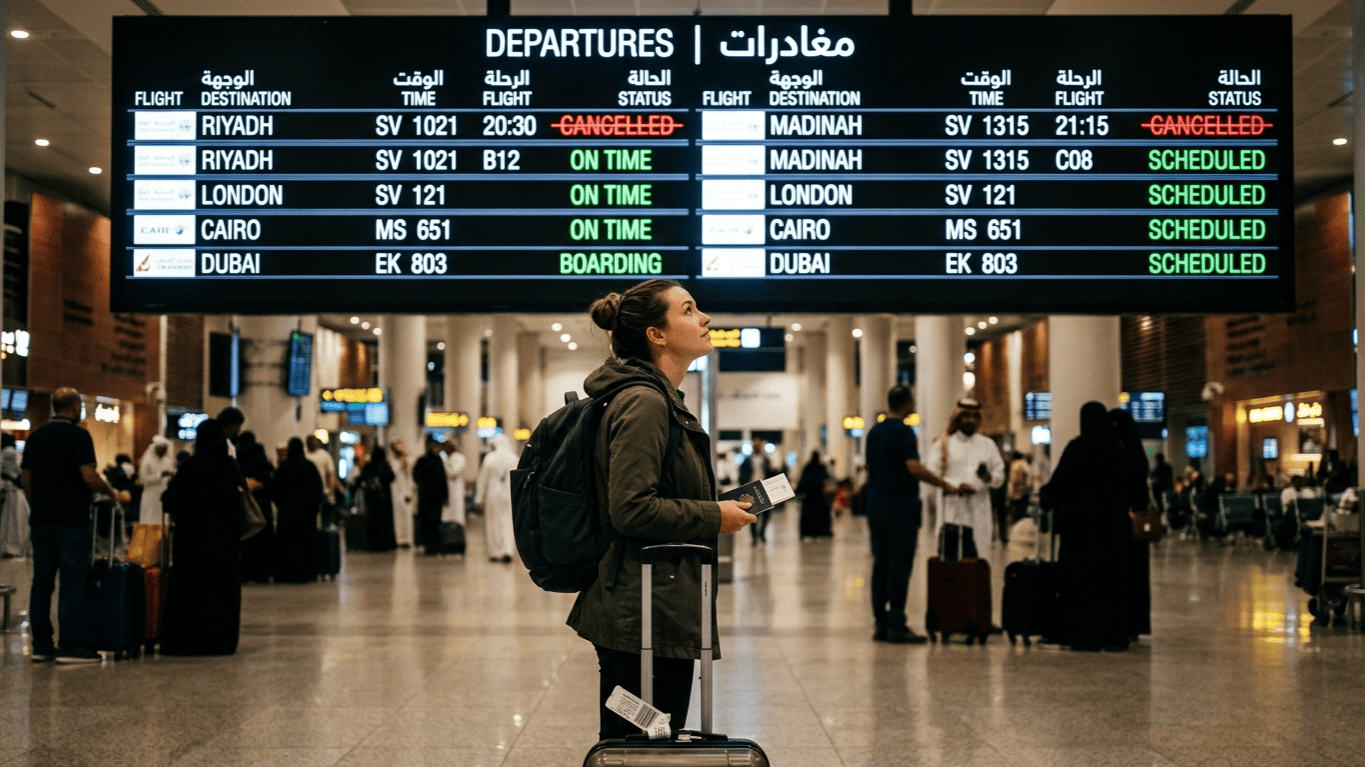
The operational turnaround follows temporary flight halts triggered by regional security concerns and airspace advisories across parts of the Middle East. After completing comprehensive safety reviews, several international operators signaled that flight corridors to select Saudi gateways have met required risk management thresholds.
Malaysia Airlines confirmed the full restart of its scheduled services connecting Kuala Lumpur to both Jeddah and Madinah. Similarly, SriLankan Airlines and Bahrain’s national carrier, Gulf Air, restored scheduled operations following short-term suspensions, helping clear significant backlogs of passengers held at intermediate transit hubs.
"Safety and security remain our absolute priority," Malaysia Airlines noted in an operational update, adding that while scheduled services have resumed, airlines continue to closely monitor regional developments alongside international civil aviation authorities.
Uneven Recovery Across Global Airlines
Despite the encouraging steps taken by select carriers, global recovery across Saudi airspace remains fragmented. Airlines are navigating varying insurance requirements, crew rest protocols, and national civil aviation guidelines.
While direct links to Jeddah and Madinah are stabilizing—driven in part by high baseline demand for religious travel—other major hubs like Riyadh’s King Khalid International Airport (RUH) and Dammam’s King Fahd International Airport (DMM) continue to experience localized cancellations or schedule adjustments from specific regional and European carriers.
Several major long-haul operators, including European and South Asian carriers, have extended cautious suspensions on select routes while evaluating airspace safety notices. Aviation analysts emphasize that one airline’s decision to resume services does not guarantee an immediate return across all foreign flag carriers.
Guidance for International Passengers
With flight schedules subject to fluid updates, travel industry bodies urge passengers traveling to or from Saudi Arabia to take proactive steps before departing for the airport:
- Verify Individual Flight Status: Passengers should check real-time departure logs directly through their airline’s mobile app or official website rather than relying on general airport opening announcements.
- Maintain Updated Contact Details: Ensure contact info within booking profiles is current so airlines can issue real-time SMS or email notifications regarding gate changes or delay advisories.
- Review Transit Requirements: Travelers connecting through regional hubs in the Gulf should confirm whether layover arrangements remain operational or require rebooking.
As airlines continue day-by-day risk reviews, the restoration of key long-haul routes marks an encouraging step toward stabilizing Saudi Arabia’s global travel links.