
Foreign Tourists Are Skipping America: What's Driving the U.S. Inbound Travel Slump?
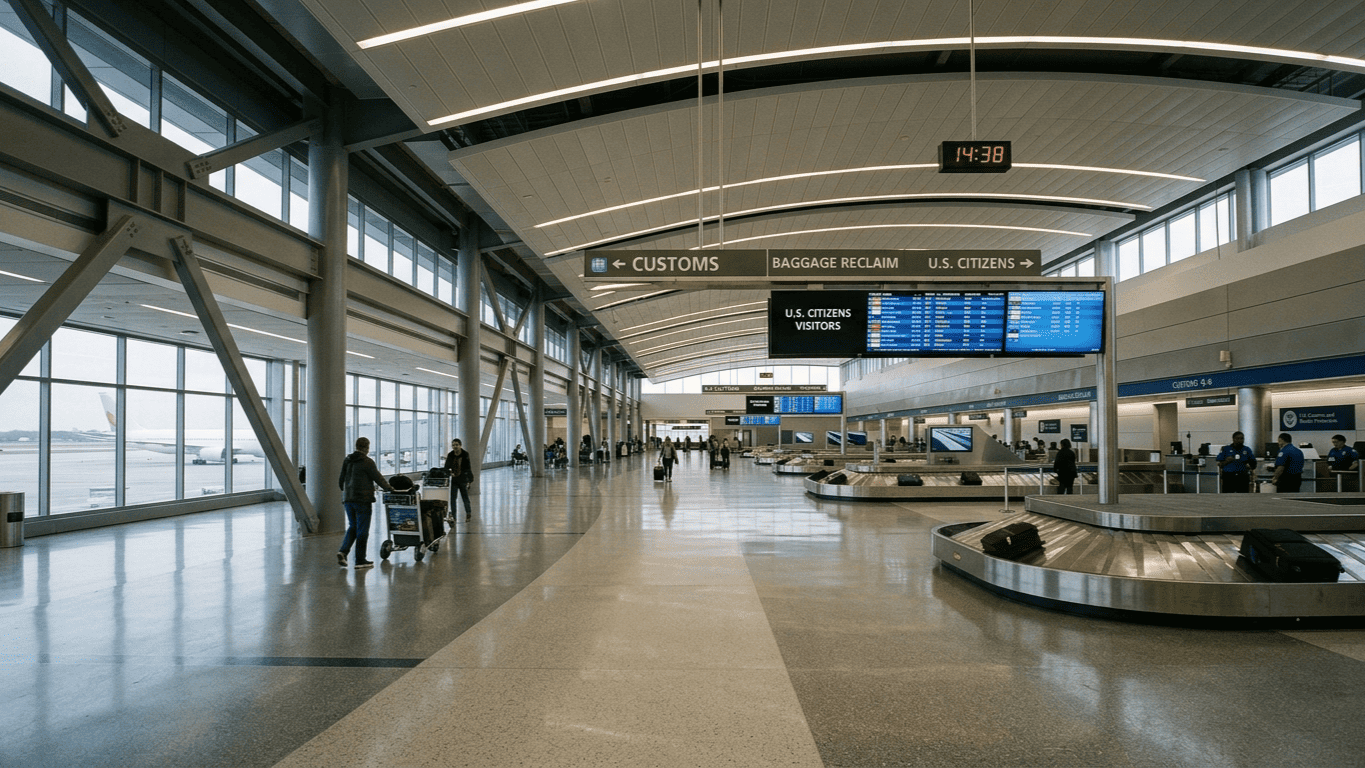
Across the nation's busiest international gateways, the post-pandemic travel boom is hitting an unexpected speed bump.
Despite expectations of a sustained surge in global tourism, official arrivals data indicates that international visitors to the United States are on track to drop significantly. According to industry reports from the U.S. Travel Association, overseas arrivals fell by roughly 4.7% through the summer, leaving inbound travel still nearly 20% below its pre-2020 peak.
For hospitality workers, airline executives, and city tourism boards, the slowdown is raising hard questions about affordability, efficiency, and global competitiveness.
The Sticking Points: Price Tags and Paperwork
Why are international travelers looking elsewhere? Ask anyone trying to plan a trip to the U.S. from overseas, and the answers usually come down to two factors: cost and hassle.
- Surging Expenses: Between inflated hotel room rates, high restaurant menu prices, and premium transoceanic airfares, taking a family vacation to New York, Orlando, or Los Angeles has become drastically more expensive. For travelers in Europe or Asia, alternative destinations in Southeast Asia, Southern Europe, or South America offer significantly more value for money.
- Visa Bottlenecks: Processing delays for U.S. visitor visas remain a persistent pain point in key growth markets. In several countries, prospective tourists face multi-month wait times just to secure an interview at a U.S. embassy, prompting many to simply pivot to countries with visa-free entry or streamlined e-visas.
- Cross-Border Shifts: Travel from key neighboring markets has seen noticeable swings. High living costs and trade tensions have contributed to a 23% drop in Canadian visitors over the last two years alone—a single dip that industry analysts estimate costs U.S. businesses billions in missed revenue.
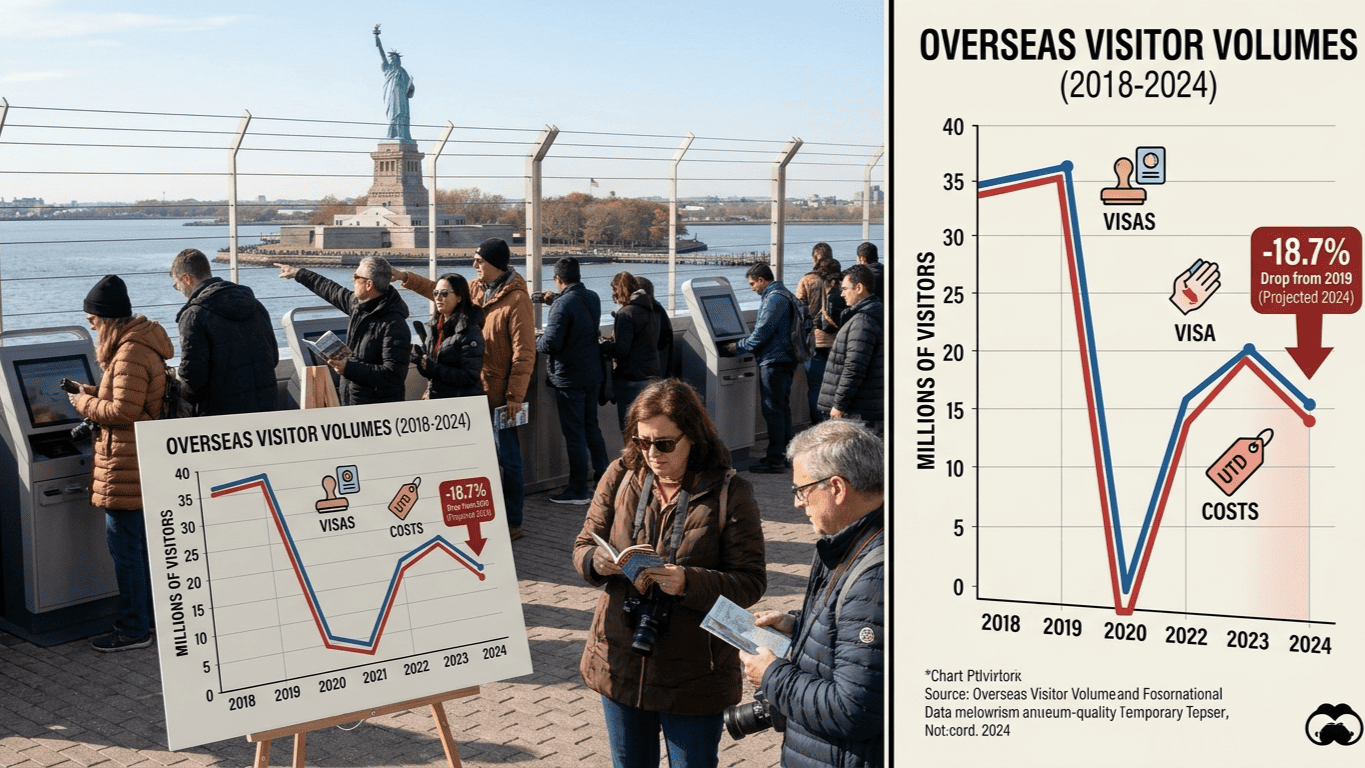
A Lingering Impact on the Economy
The ripple effects extend far beyond airport terminals. Inbound international tourists spend heavily compared to domestic travelers, staying longer and spending more per visit on retail, entertainment, and accommodation.
When overseas numbers dip, hoteliers cut shifts, cultural attractions see lower gate receipts, and local municipalities miss out on critical occupancy tax revenues. Major airlines like Delta Air Lines and American Airlines have already felt the squeeze on long-haul routes as transpacific and transatlantic leisure demand recalibrates.
What Needs to Change?
Tourism leaders argue that reversing the trend will require concerted action from both policy makers and industry stakeholders:
- Streamlining Consular Services: Expanding embassy staffing to cut visa interview backlog times in emerging markets.
- Targeted Regional Promotions: Refreshing destination campaigns that highlight affordable regions and off-the-beaten-path national parks, rather than relying solely on high-cost metro areas.
- Competitive Entry Programs: Expanding modern border-entry tech and automated processing systems to cut customs wait times for arriving flights.
Until the gap between high costs and travel convenience closes, American tourism businesses will have to work much harder to win back global travelers in an increasingly competitive global marketplace.