
European Union Enforces Full EES Biometric Border Checks Leading to Longer Lines for Non-EU Visitors
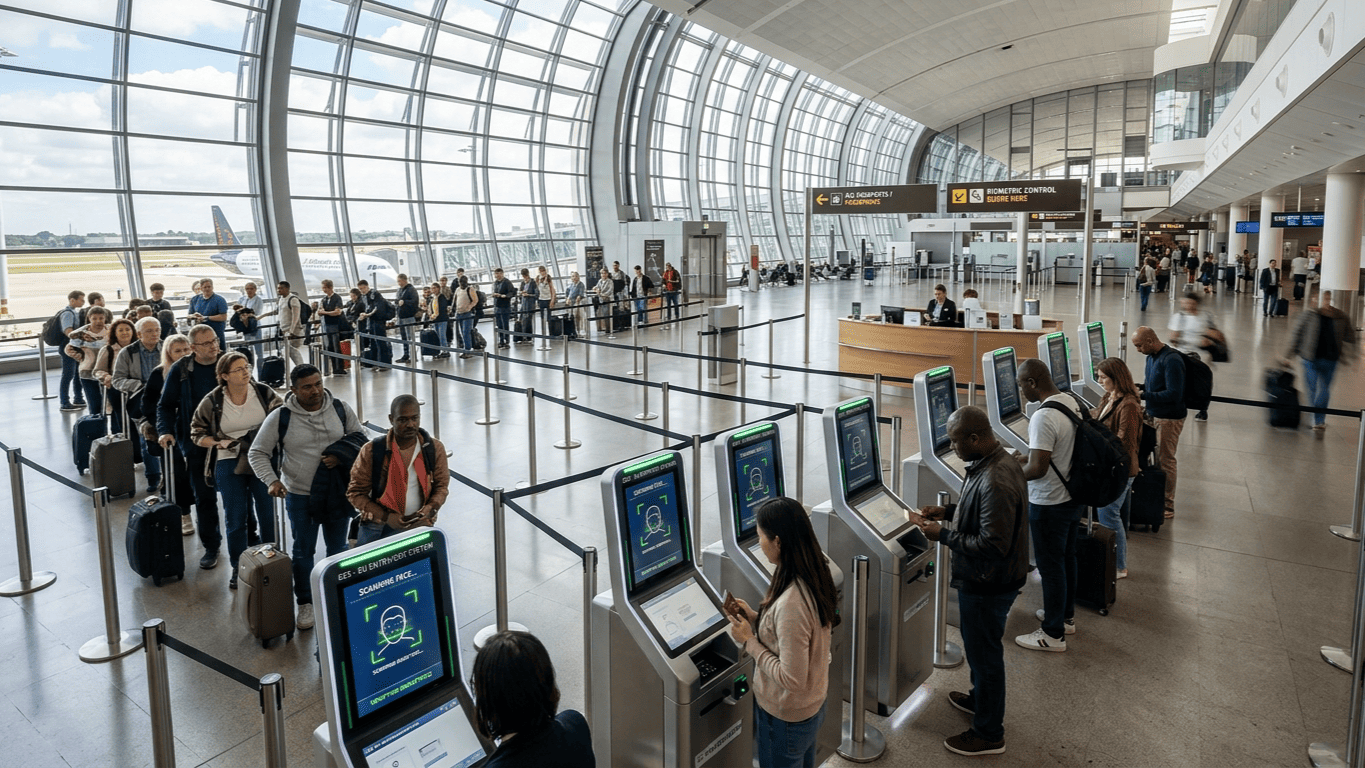
Traveling into the European Union has undergone its biggest administrative shift in decades. Full biometric enforcement under the European Union’s Entry/Exit System (EES) is officially active across 29 European countries, replacing traditional ink-on-paper passport stamping with automated digital data collection.
While designed to bolster security and automatically track short-stay allowances, initial implementation at major airports, international rail hubs, and ferry terminals has resulted in noticeable queue slowdowns for non-EU document holders.
How the Biometric Border Process Works
The EES applies to all non-EU national travelers entering the Schengen Area for short stays of up to 90 days within any 180-day window. Upon arrival at external borders, travelers must register:
- Facial Scans: High-resolution automated facial image captures.
- Fingerprint Collection: Four-finger digital scanning for first-time entries.
- Digital Log: Recorded timestamps and entry locations replacing physical passport stamps.
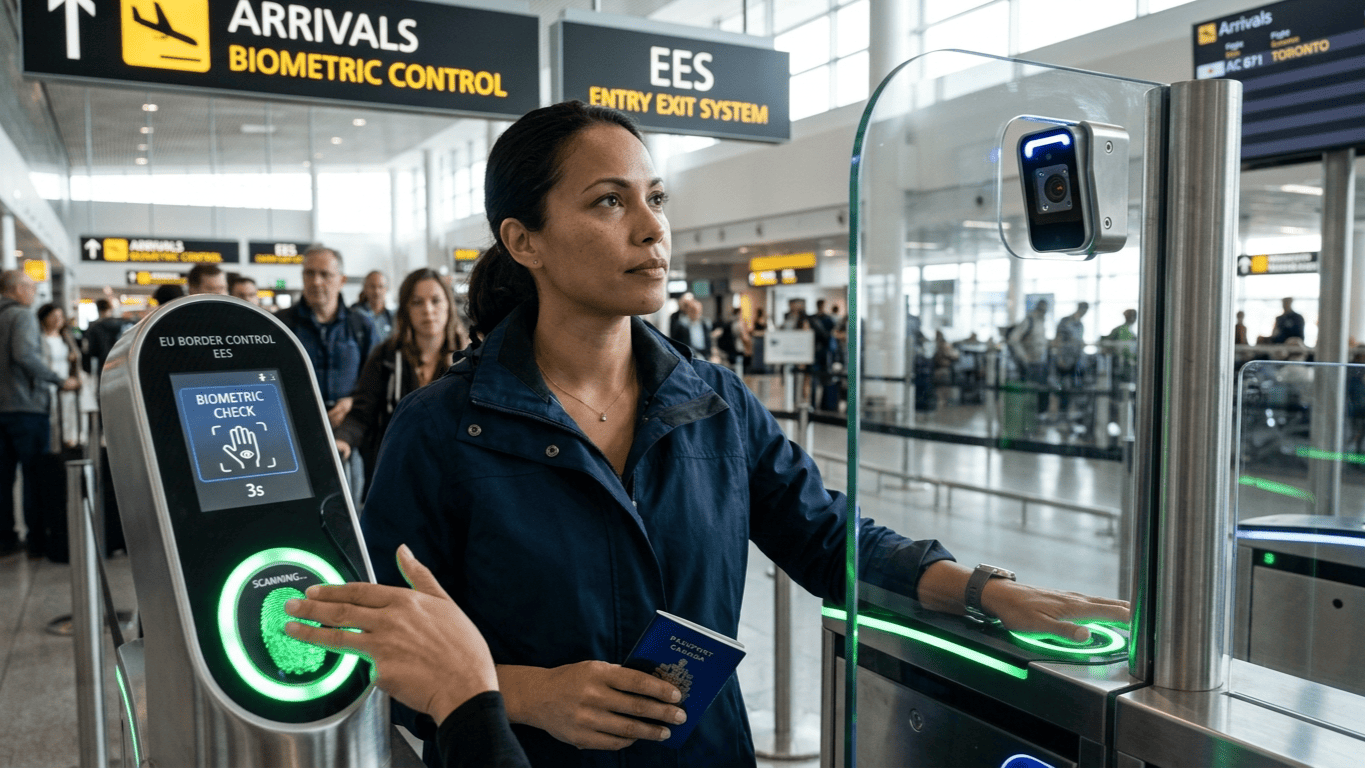
For first-time visitors, registering biometric data takes roughly one to two minutes per person, which quickly compounds into extended wait times during peak flight arrivals. Subsequent entries for registered travelers are expected to process faster as system databases auto-match facial records.
Impact on Airports and Transit Hubs
Busy entry hubs—including Paris Charles de Gaulle, Amsterdam Schiphol, and Dover ferry terminals—have expanded self-service biometric kiosks and deployed additional border staff to streamline passenger flow. Travel industry experts advise non-EU passengers to build extra buffer time into layovers and transfer schedules when traveling through Schengen entry ports.
For additional analysis on international policy updates and airport logistics, read our travel technology news section.