
European Travelers Prioritize Holidays Over Savings as Travel Demand Holds Firm
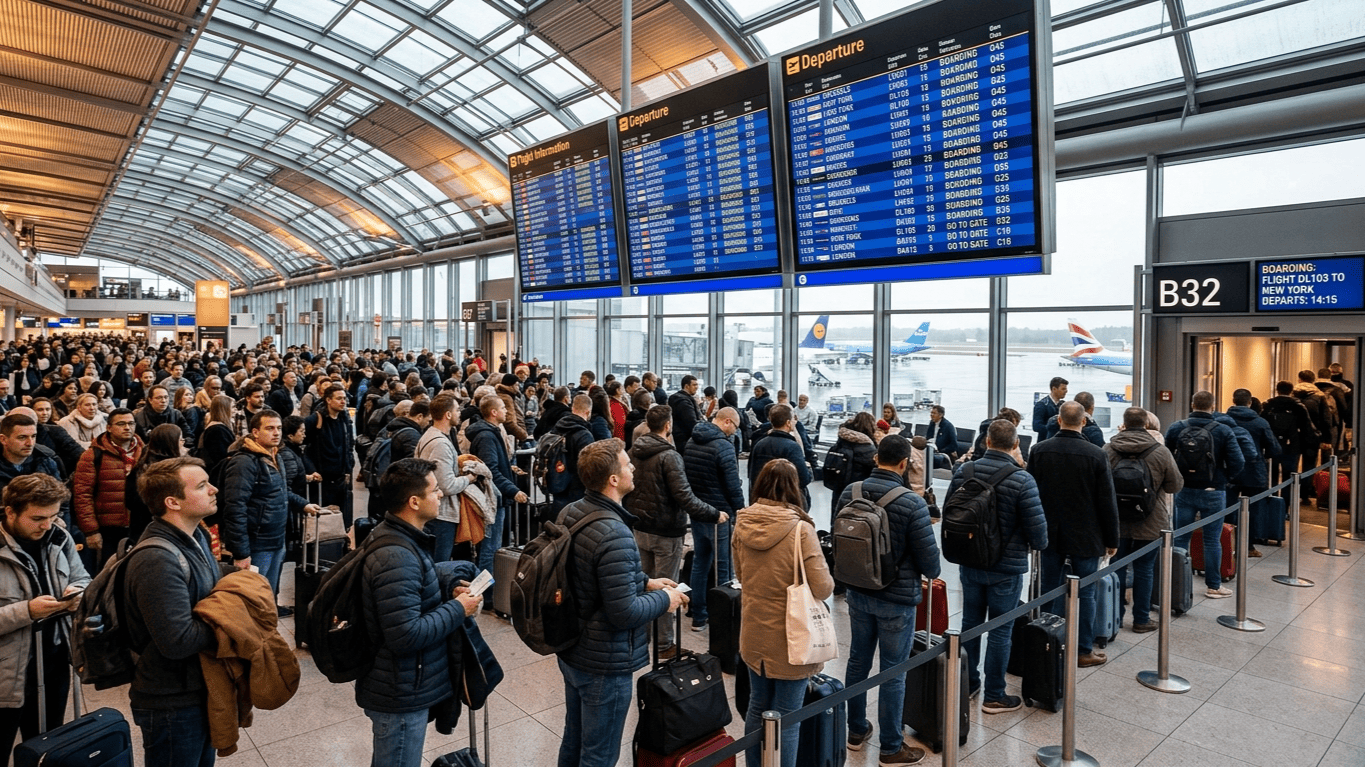
Rising accommodation prices and persistent living-cost pressures are failing to deter European consumers from taking vacations, as new travel data indicates high holiday booking volumes across the continent despite shifting spending strategies.
Data released by the European Travel Commission (ETC) reveals that overall travel intention across European households rose sharply to 82 percent entering the peak travel cycles, up 10 percentage points year-over-year. Rather than abandoning travel plans, consumers are making tactical compromises—opting for shorter itineraries, mid-tier accommodation, and shoulder-season trips to preserve their annual getaways.
The trend comes as European package holiday prices rose 3.2 percent year-on-year, closely mirroring broader regional inflation rates. Industry analysis from the European Travel Commission Market Intelligence shows that 65 percent of respondents intend to travel within Europe, prioritizing regional accessibility and financial predictability over long-haul international trips.
Budget Adjustments and Shorter Trips
While overall demand remains resilient, traveler spending habits reflect growing price sensitivity. The majority of European consumers report targeting budgets between €501 and €1,000 per person, while average length-of-stay metrics have contracted slightly from standard seven-to-twelve-night stays down to four-to-six-night durations.

Rather than cutting travel out entirely, households are reallocating disposable income away from home leisure, retail purchases, and luxury dining to protect vacation funds. Accommodation remains the single largest expense category, capturing 31 percent of typical holiday budgets, followed closely by food and beverage expenditures at 23 percent.
Real-time consumer pricing shifts and statistical breakdowns across Member States are regularly tracked by the Eurostat Tourism Indicators Platform.
Mediterranean Leadership and Shoulder-Season Growth
Southern and Mediterranean destinations continue to handle the vast majority of intra-European holiday flows. Sun-and-beach destinations in Spain, Greece, and Italy accounted for 59 percent of destination preferences, supported by strong air connectivity and competitive all-inclusive package options.
Simultaneously, travel distribution systems show an accelerating shift toward shoulder-season travel during April, May, September, and October. By traveling outside peak summer weeks, consumers are avoiding peak hotel daily rates and managing overall trip costs.
Aviation and hotel capacity monitoring available on the IATA Passenger Traffic Analysis Portal demonstrates steady load factors across European regional airlines, with shoulder-season passenger growth rates outpacing peak mid-summer volumes.
Industry leaders emphasize that travel has transitioned from an optional luxury to a core household priority for European consumers, ensuring steady revenues across hotels, airlines, and regional tourism operators throughout the year.