
End of Budget Travel? Ryanair CEO Warns of Record Airfare Hike in 2027
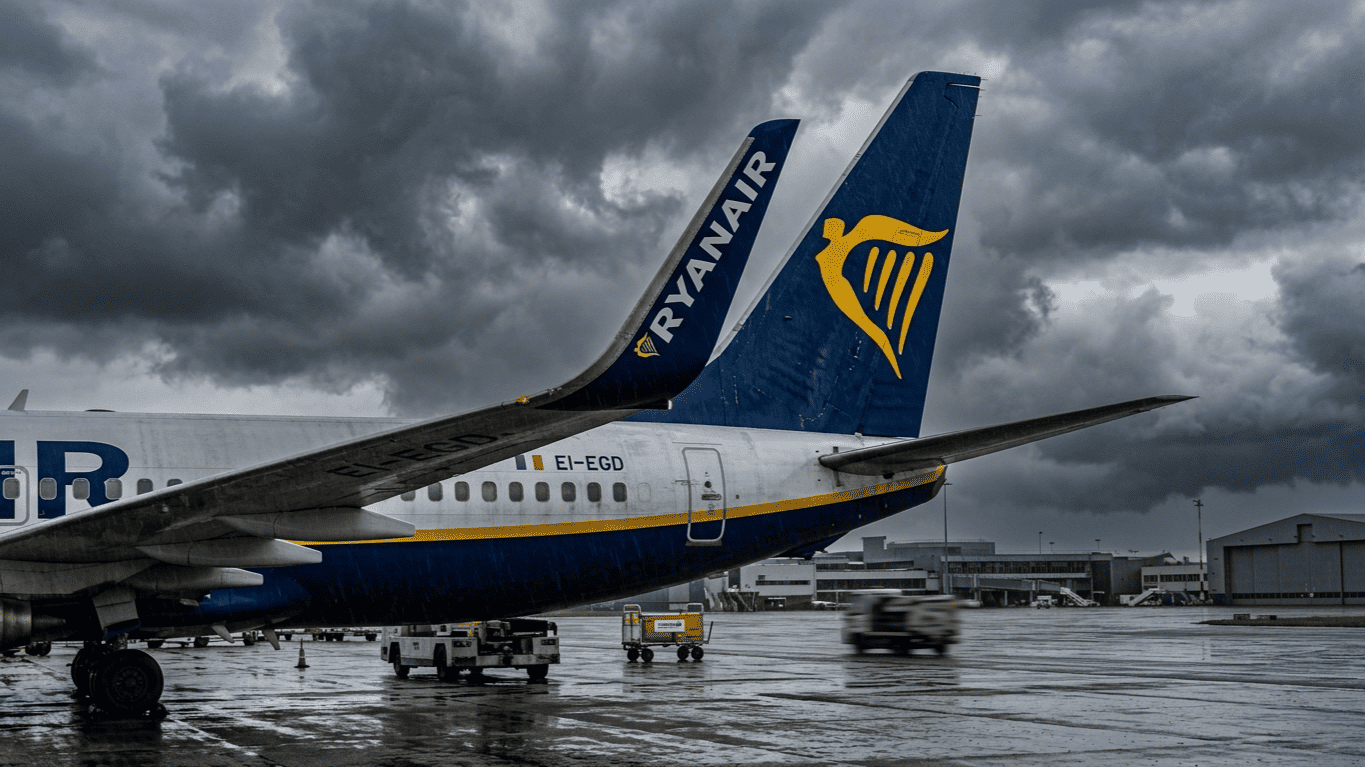
Budget travel across Europe may be facing its most severe disruption in years. Low-cost carrier giant Ryanair has cautioned travelers that airfares across the continent could jump by as much as 20% starting in 2027, driven by expiring fuel hedges, double-digit increases in global oil prices, and rising regional aviation taxes.
Speaking at a news conference in Brussels, Ryanair Group CEO Michael O’Leary painted a sobering picture for budget-conscious travelers, warning that European consumers should prepare for what could be the "biggest airfare increase in Europe's history."
While European airlines managed to cushion passengers from global energy market volatility over recent seasons through pre-purchased fuel contracts, those safety nets are rapidly reaching their expiration dates.

The Fuel Hedging Cliff
For years, commercial airlines have relied on fuel hedging—securing jet fuel purchases months or years in advance at fixed rates—to protect their operational margins against raw commodity spikes. However, O’Leary revealed that Ryanair’s protective coverage is set to drop off sharply entering the next fiscal year.
While the airline previously locked in fuel at lower caps, Ryanair currently holds just 15% of its fuel needs hedged for 2027 at $85 per barrel. With spot jet fuel market rates sitting near double that level following Middle Eastern geopolitical disruptions and supply chain friction, European carriers face a massive wall of unhedged overhead expenses.
"We guarantee no hidden fuel surcharges, but there is no doubt that airfares are going to rise significantly in 2027 because of much higher oil prices," O'Leary told reporters.
Without extensive fuel hedging across the industry, airlines will either have to absorb severe profit losses or pass the bill directly onto passengers through base fares. For budget carriers operating on razor-thin profit margins, absorbing fuel bills that double almost overnight is not a viable option.
Aviation Taxes and Route Cuts Add Pressure
Surging crude prices represent only part of the upcoming squeeze on European vacationers. Local government policies and regional fleet constraints are also tightening total seat capacity across key holiday routes.
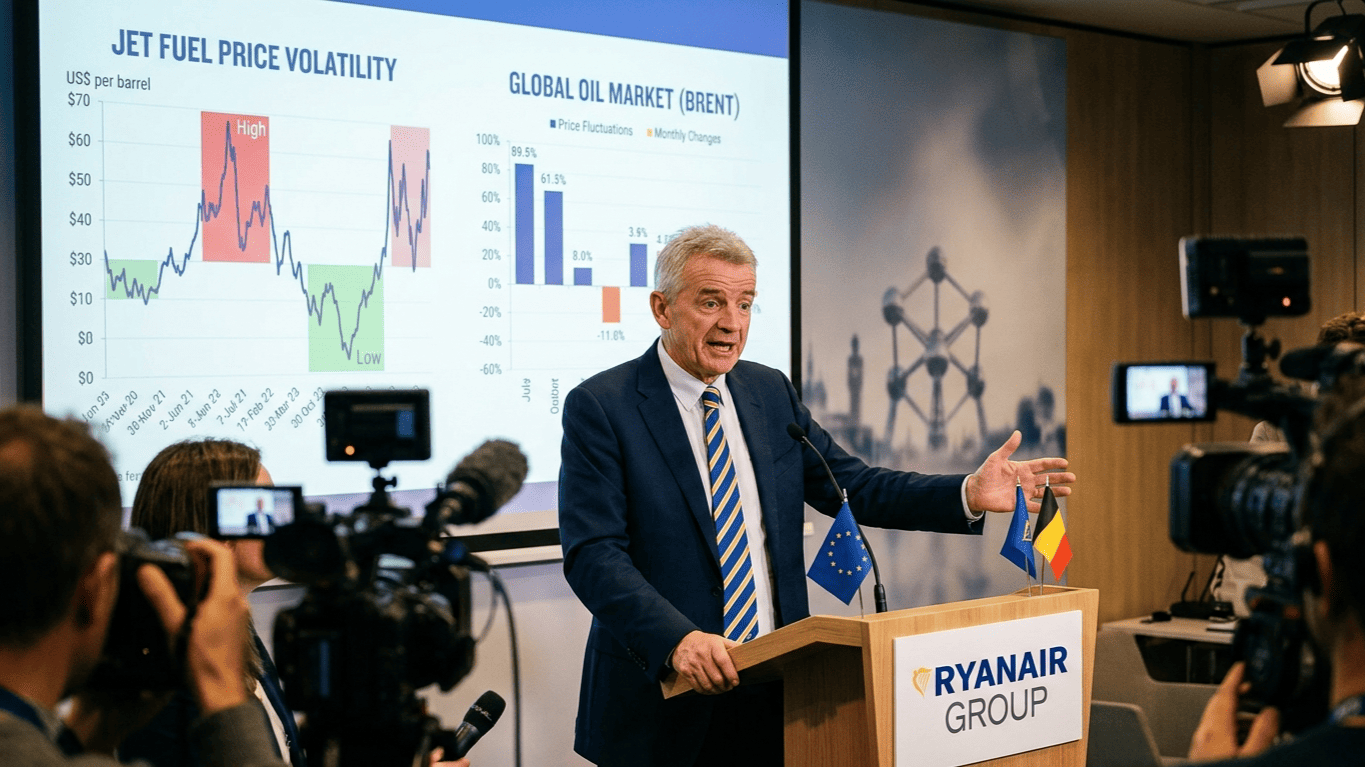
Highlighting the strain from local regulatory levies, Ryanair announced it is slashing 20 routes and cutting over one million seats out of Belgium for its upcoming schedule. The decision comes in response to the Belgian government’s move to hike its national aviation tax to €7 per passenger starting in January. O’Leary warned that similar tax adjustments across EU member states will force airlines to redeploy aircraft away from high-tax regions, naturally restricting seat supply and driving prices up as demand outpaces availability.
At the same time, aircraft delivery backlogs continue to choke industry growth. While Ryanair remains hopeful that regulators will finalize certification for the long-delayed Boeing 737 MAX 10 fleet updates in time for scheduled 2027 deliveries, overall jet availability across Europe remains tight. Fewer seats on the market paired with strong travel demand creates a seller’s market where discount seats sell out faster than usual.
What This Means for Travelers
For travelers planning trips around Europe over the coming seasons, the era of relying on last-minute €19 promotional tickets appears to be drawing to a close. Industry analysts advise taking a few proactive steps to manage higher travel expenses:
- Book early: As airlines adjust base rates to keep up with unhedged fuel expenses, early-bird rates will provide the best chance of securing legacy discount prices.
- Fly midweek and off-peak: Shoulder seasons and Tuesday or Wednesday departures will offer greater savings compared to heavily inflated weekend summer slots.
- Compare regional hubs: Keep an eye on secondary airport departures where lower tax levies allow airlines to keep base tickets lower than at primary international hubs.
While energy benchmarks could shift before 2027, the message from Europe's largest budget carrier is clear: budget travel is about to get considerably more expensive.