China Foreign Tourism Surge 2026: Viral Short Videos and New Visa Policies Fuel Travel Rebound
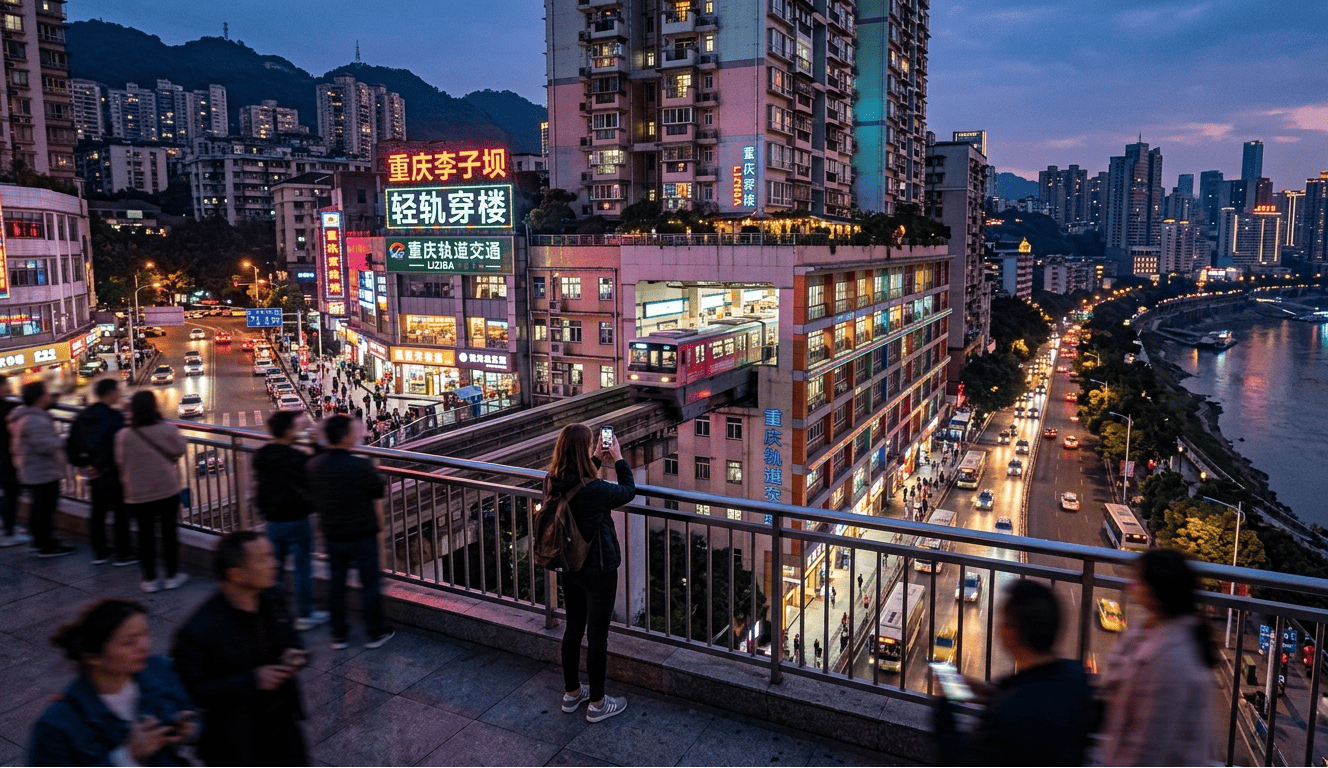
A decade ago, standard travel brochures advertised the Great Wall, the Terracotta Warriors, and quiet cruises down the Li River. Today, a 15-second vertical video of a metro train cutting through a high-rise apartment complex in Chongqing or a cinematic clip of a mist-covered villa in Guilin is driving millions of global travelers to book their flights.
China’s international tourism numbers are rebounding at a rapid pace. Thanks to aggressive policy overhauls and an organic explosion of viral short-form video content across Instagram Reels and TikTok, the country is rewriting its travel playbook.
The Policy Shift: Lowering the Barrier to Entry
The groundwork for this tourism rebound began with policy changes designed to remove long-standing travel friction. China extended visa-free entry to citizens from dozens of nations across Europe, Asia, and the Middle East, allowing hassle-free stays of up to 15 to 30 days.
Official immigration data highlights the impact: in the first half of 2026 alone, visa-free arrivals surged past 17.8 million visits—a more than 30% jump year-over-year. For up-to-date entry guidelines, travelers can consult the National Immigration Administration of China.
Beyond border control, local authorities addressed another major hurdle for international visitors: payment accessibility. By streamlining mobile payments via Alipay and WeChat Pay for overseas credit cards and introducing instant tax refunds at exit ports, navigating day-to-day life in major hubs like Shanghai, Beijing, and Chengdu has become seamless.
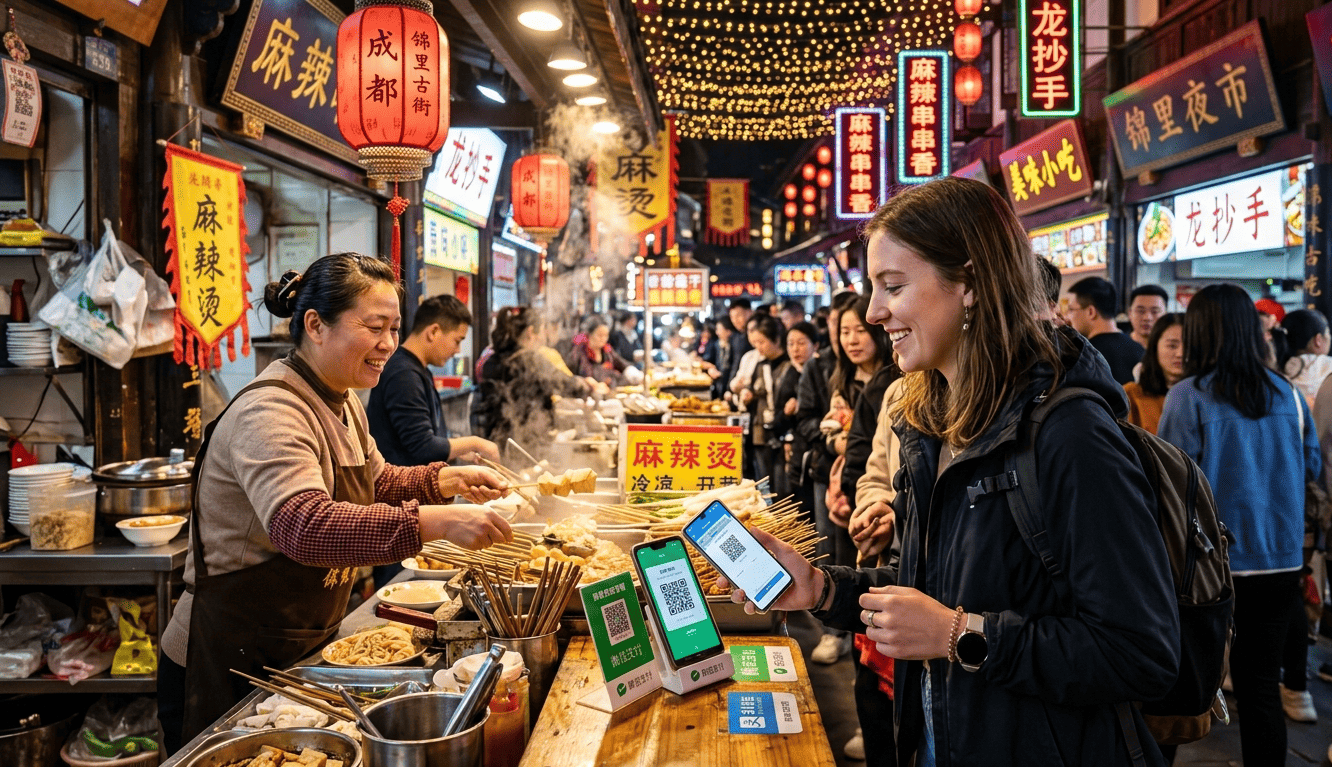
From "Sightseeing" to "Cultural Immersion"
Foreign travelers aren't just visiting historical sites; they're looking to experience daily life.
Short-form video algorithms have shifted travel motivations away from cookie-cutter tour buses. Younger demographics—particularly Gen Z and Millennials—are booking trips based on niche experiences seen online:
- Cyberpunk Aesthetics: Futuristic architecture in mega-cities like Chongqing, where multi-level monorails and neon-lit mountain cityscapes look straight out of a science-fiction film.
- Lifestyle & Retail Trends: Flagship pop-culture stores on Shanghai's Nanjing Road, viral local perfumeries like To Summer, and aesthetic tea houses.
- Cultural Trends: Viral micro-trends like
#Chinamaxxingor#BecomingChinese, where international creators share videos embracing everyday local habits, Hanfu fashion rentals, and regional street food tours.
Regional municipal tourism bureaus have taken note. Many have bypassed domestic channels to establish active profiles on international social media platforms, inviting overseas travel creators and global athletes to highlight their cities directly to Western and Southeast Asian audiences.
Key Numbers Behind the Bounce-Back
The momentum is backed by clear, hard data. Visa-free entries led the charge in the first half of 2026, with over 17.8 million visitors entering under expanded 15- and 30-day waivers—accounting for nearly 78% of all inbound foreign arrivals. Overall volume continues to climb, with annual inbound figures eclipsing 35 million visits, pushing China past regional competitors like Thailand in total tourist arrival volume. Crucially, international traveler spending has risen by more than 10% year-over-year, as visitors opt for longer stays, richer local experiences, and higher daily engagement across major Chinese travel hubs.
To track broader global market projections, view reports from the World Travel & Tourism Council, or examine regional booking trends directly via Trip.com Group Investor Relations.
The Road Ahead for Inbound Tourism
While challenges remain—such as balancing peak seasonal capacity and ensuring foreign-language tour infrastructure keeps pace with sudden demand—the momentum is undeniable. By combining frictionless entry policies with high-impact visual storytelling on social feeds, China has successfully rebranded its travel appeal for a digital-native global audience.