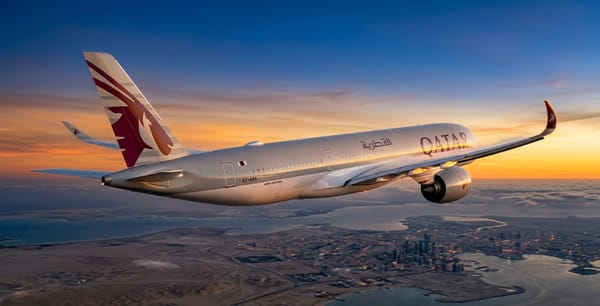
Catania Airport Reopens as Mount Etna Alert Downgraded to Orange
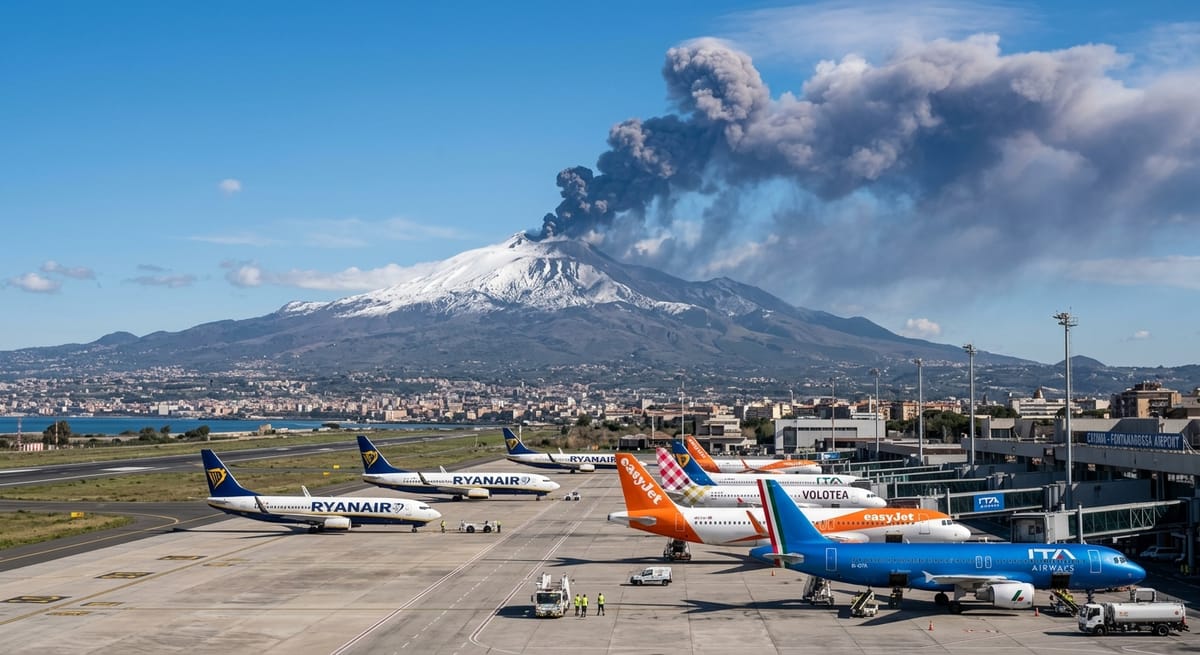
Travel across Sicily is slowly regaining its momentum today after officials at Catania-Fontanarossa Airport (CTA) officially reopened air space and resumed flight operations. The decision came after Italy’s National Institute of Geophysics and Volcanology (INGV) downgraded the volcanic threat level from Red to Orange, confirming that ash emissions from nearby Mount Etna had sufficiently subsided.
The airport’s temporary shutdown disrupted travel during the peak mid-August holiday season, causing thousands of flight delays, cancellations, and reroutings across Southern Europe.
Flights Gradually Resume at Sicily’s Busiest Travel Hub
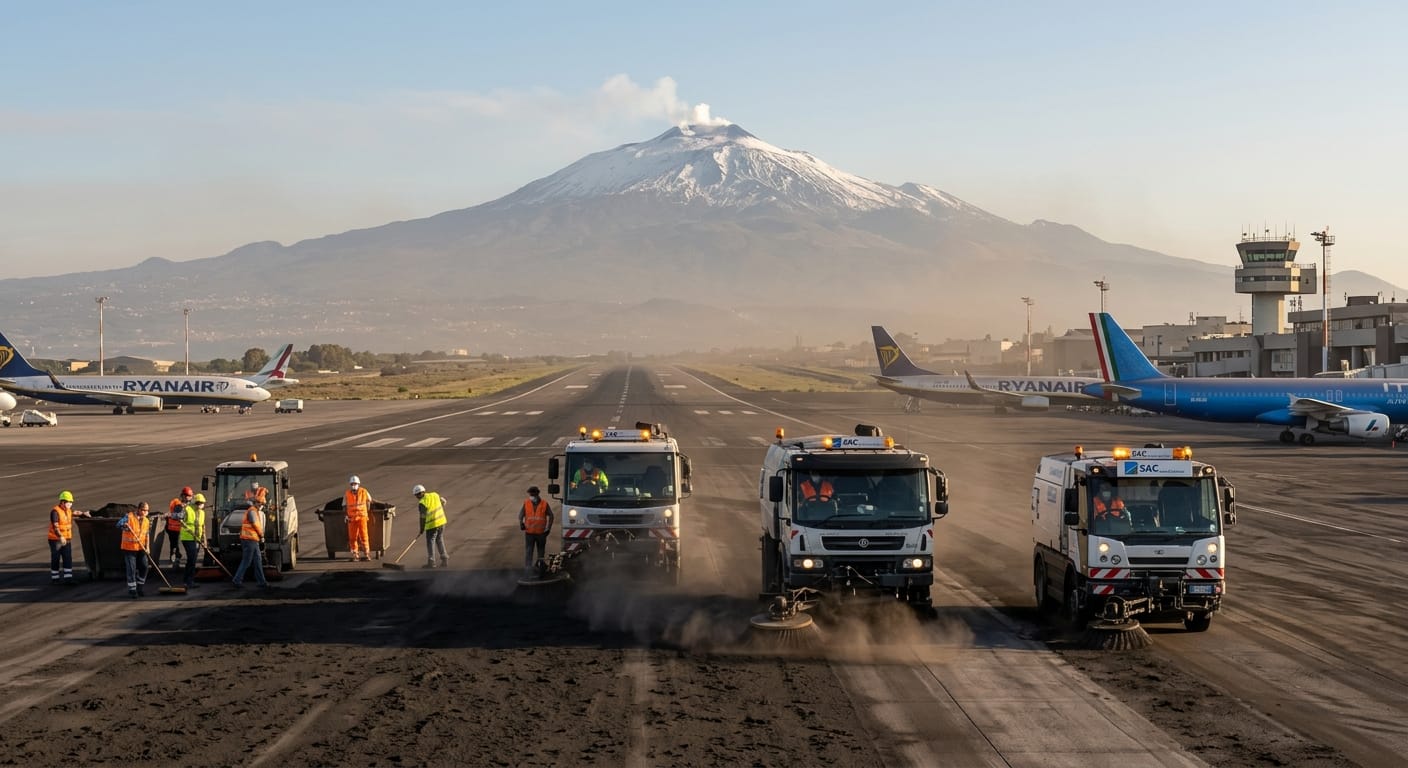
Catania Airport—Italy’s fifth-busiest hub—restored arrivals and departures after ground crews cleared runway surfaces coated in thick volcanic ash.
Airport operator SAC confirmed that operations are restoring progressively, though minor delays remain as airlines clear the logistical backlog:
"Following the downgrade of the volcanic activity alert status from RED to ORANGE, the resumption of flight operations has been authorized with immediate effect. Passengers are advised not to travel to the airport without first verifying the status of their flight with their operating airline."
Major carriers including Ryanair, easyJet, and ITA Airways are currently restructuring their flight schedules.
High Peak-Season Impact Across Regional Transport
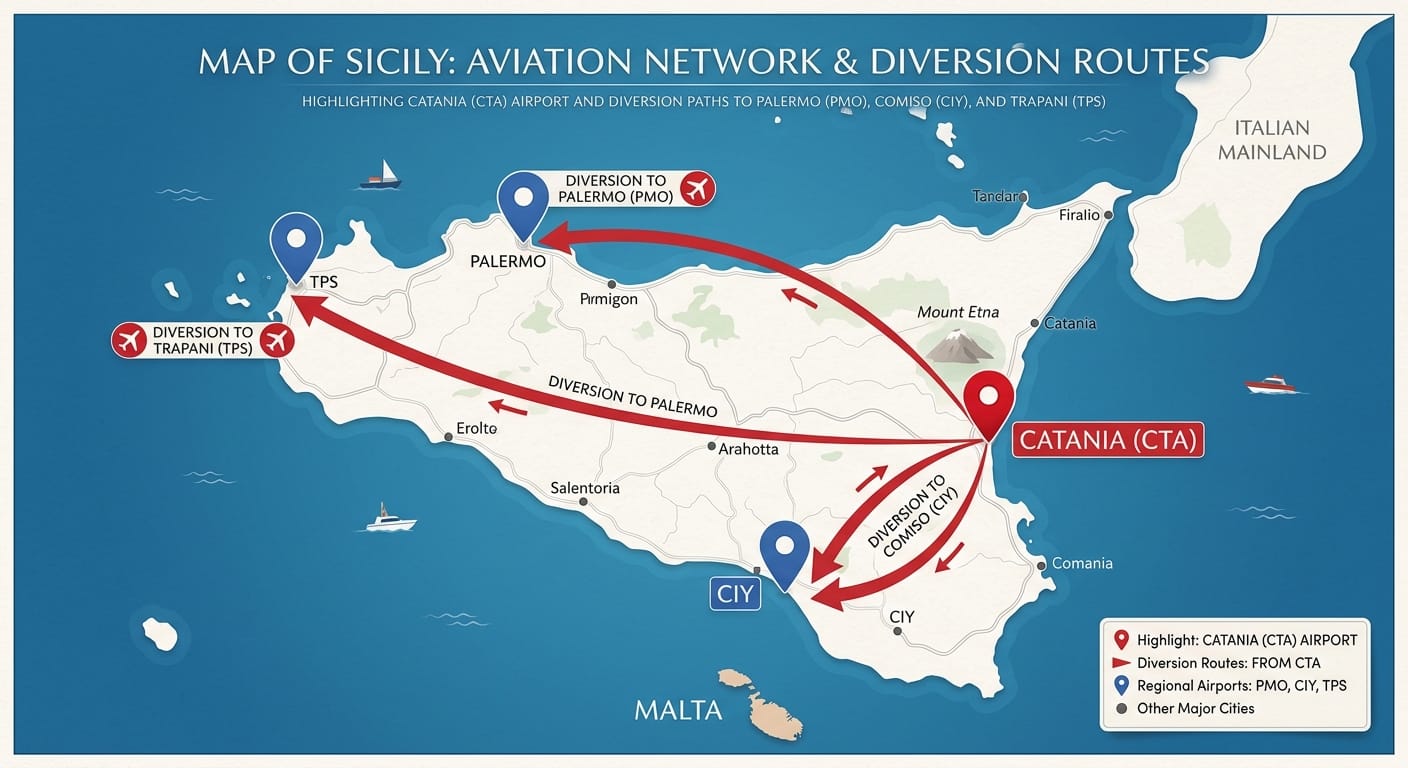
The mid-August timing created a cascade effect across Italian transport networks. Over the course of the closure, around 1,350 flights were cancelled or diverted to alternative regional gateways, primarily Palermo Falcone-Borsellino and Comiso Airports. The financial fallout hit the region hard during its busiest week of the year, with local travel groups estimating between €13 million and €24 million in lost tourism spending and operational rebooking costs.
Local tourism groups estimate that the week-long disruption affected upwards of 100,000 travelers, straining car rental fleets and regional intercity rail services as passengers scrambled for alternative transfers.
Monitoring Mount Etna: What Travelers Need to Know
Mount Etna remains Europe's most active stratovolcano. While volcanic tremor levels have decreased, volcanologists caution that activity can shift rapidly depending on atmospheric winds and internal magmatic pressure.
Key Recommendations for Travelers in Sicily:
- Verify Flight Status: Check real-time departure boards via Catania Airport's official portal or your airline app before heading to the terminal.
- Review Travel Rights: EU Regulation 261/2004 applies for rebooking, though volcanic eruptions are categorized as "extraordinary circumstances," meaning cash compensation for delays generally does not apply.
- Monitor Local Updates: Keep track of aviation updates through the official INGV Volcanology Portal.