Beyond Pura Vida: Why Over One Million U.S. Travelers Are Flocking to Costa Rica
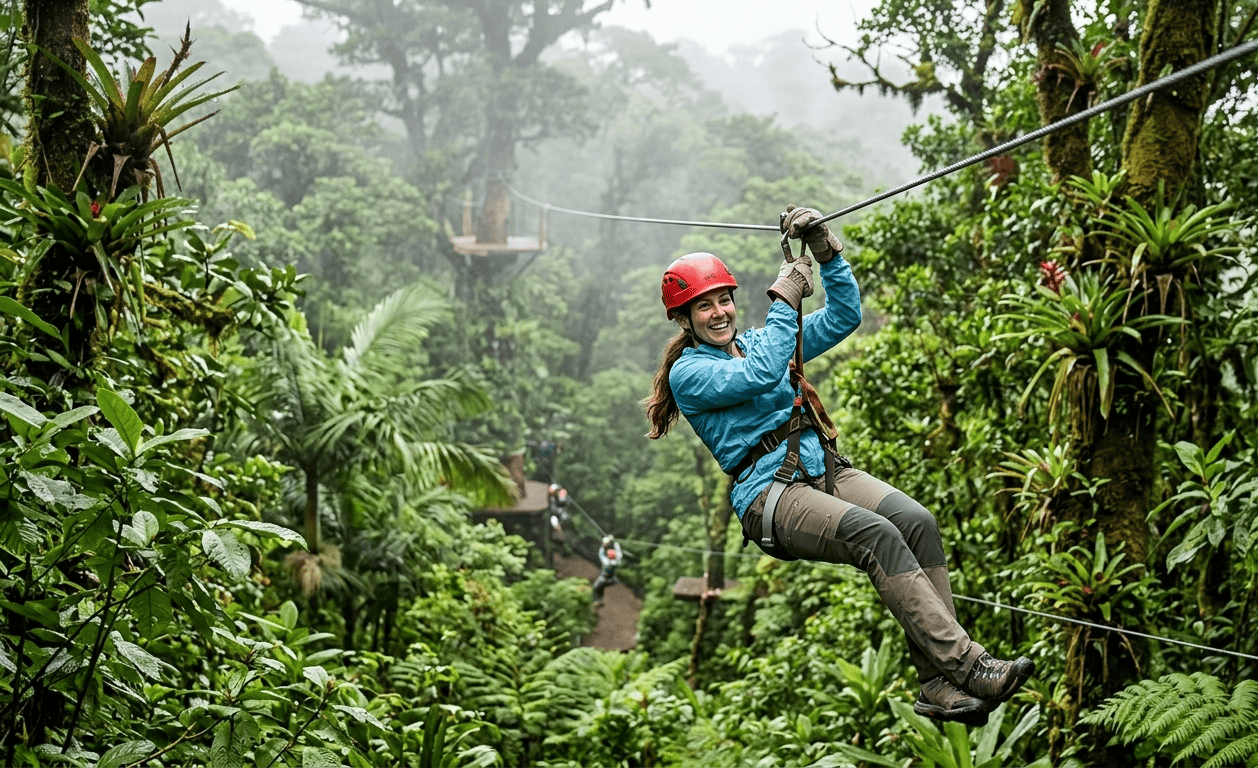
Imagine stepping off a nonstop flight into a realm where primary rainforests touch Pacific waves, active volcanoes frame misty cloud forests, and a national philosophy translates literally to "the pure life."
It is no longer just a secret spot for rugged backpackers or hardcore surfers. Year after year, Costa Rica continues to hit massive tourism milestones, consistently drawing over one million visitors from the United States alone. American travelers now account for the overwhelming majority of international arrivals in the country, cementing this Central American nation as a top-tier destination for eco-adventurers, families, and remote workers alike.
What is driving this massive influx of U.S. travelers, and how is Costa Rica adapting to its status as a global travel powerhouse? Here is a breakdown of what makes this tropical haven an enduring favorite—and what you need to know before planning your own trip.
1. Flight Connectivity: Closer Than You Think
One of the biggest factors behind the surge in U.S. visitors is effortless air travel. Major carriers across North America have expanded non-stop routes into Costa Rica's two primary international airports:
- Juan Santamaría International Airport (SJO): Located in San José, offering seamless access to the Central Valley, Manuel Antonio, and the Caribbean coast.
- Guanacaste Airport (LIR): Located in Liberia, serving as the gateway to the North Pacific beaches, Papagayo Peninsula, and luxury eco-resorts.
With direct flights operating daily from hubs like Atlanta, Miami, Houston, Los Angeles, and New York, American travelers can trade cold weather or desk routines for tropical rainforests in less time than a coast-to-coast domestic flight. Travelers can check current entry requirements and official updates through the U.S. Department of State Travel Advisory for Costa Rica.
2. The Eco-Tourism Benchmark
Costa Rica has long set the global standard for sustainable travel. Over 25% of its total land area is preserved within national parks, wildlife refuges, and protected reserves.
The numbers behind this success speak for themselves: roughly 5% of the world's total biodiversity is concentrated within its borders, supported by 28 national parks preserving rainforests, volcanoes, and coral reefs. On top of that, nearly 99% of the country's electricity is generated from renewable sources.
Travelers visiting spots like the Monteverde Cloud Forest Reserve or Tortuguero National Park aren't just sightseeing—they are participating in eco-adventures that directly fund local conservation efforts. To explore official sustainability programs and destination guides, visit the ICT - Instituto Costarricense de Turismo.

3. Remote Work & Extended Stays
The rise of flexible work schedules has shifted how Americans travel to Central America. Instead of standard seven-day vacations, an increasing number of visitors are opting for multi-week or multi-month stays.
Why Digital Nomads Choose Costa Rica:
- Favorable Time Zones: Operating predominantly on Central Standard Time (CST), making collaboration with U.S.-based teams simple.
- Digital Nomad Visa: Formal residency programs designed specifically for remote workers with steady foreign income.
- Infrastructure: Reliable fiber-optic internet in popular hubs like Tamarindo, Nosara, and Santa Teresa.
4. What Travelers Should Keep in Mind
While Costa Rica’s appeal is undeniable, navigating a surge in visitor numbers requires smart planning:
Pro-Tip for Travelers: High season (December through April) brings dry sunny days, but it also brings peak lodging rates and crowded national parks. Booking park permits and private transfers weeks in advance is essential to avoid sold-out excursions.
- Exchange Rates & Local Costs: While the U.S. dollar is widely accepted, fluctuating exchange rates between the Colón and the USD mean dining out and private tours can rival U.S. mainland prices in high-demand coastal towns.
- Seasonal Shifts: Don't write off the "Green Season" (May through November). Afternoon rain showers bring lush landscapes, fewer crowds, and lower accommodation rates.