Barcelona Steps Up Its Fight Against Overtourism: What Travel Looks Like Next
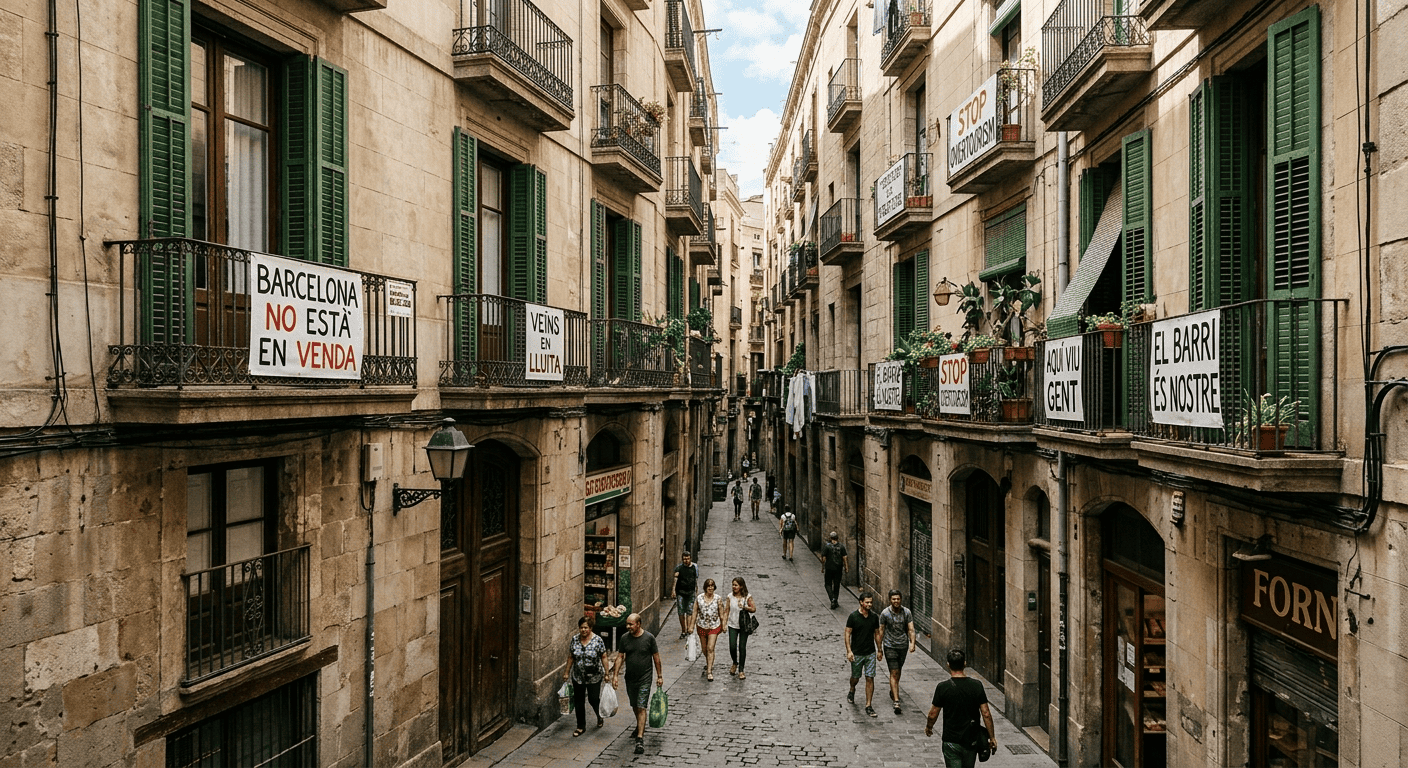
For millions of travelers worldwide, Barcelona sits at the top of the European bucket list. From Gaudi’s surreal architecture to late-night tapas in the Gothic Quarter, the city’s appeal is undeniable. However, for the people who call Catalonia’s capital home, that relentless popularity has come at a steep cost.
Escalating rent prices, crowded public plazas, and neighborhood storefronts shifting from bakeries to souvenir shops have pushed local frustration to a breaking point. In response, Barcelona city officials are moving beyond polite awareness campaigns. They are enacting some of the toughest regulations on urban travel in European history.

The End of Short-Term Vacation Rentals
The headline-grabbing centerpiece of Barcelona’s strategy is a systematic phase-out of short-term holiday apartments. Under current local legislation, the city plans to stop renewing tourist rental licenses entirely.
- The Goal: Phase out all ~10,000 registered tourist rental apartments by late 2028, returning those properties to the long-term residential housing market.
- Neighborhood Veto Power: New regulations allow local homeowners’ associations (comunidad de propietarios) to block short-term rentals within their residential buildings.
- The Impact on Travelers: Finding an Airbnb style apartment inside central Barcelona will become progressively harder and eventually impossible, shifting accommodations heavily back toward registered traditional hotels.
Information published directly by the Ajuntament de Barcelona outlines these housing policy shifts, aiming to make residential streets livable again for locals rather than turning entire districts into open-air hotels.
Targeted Taxes on Short-Stay Cruise Passengers
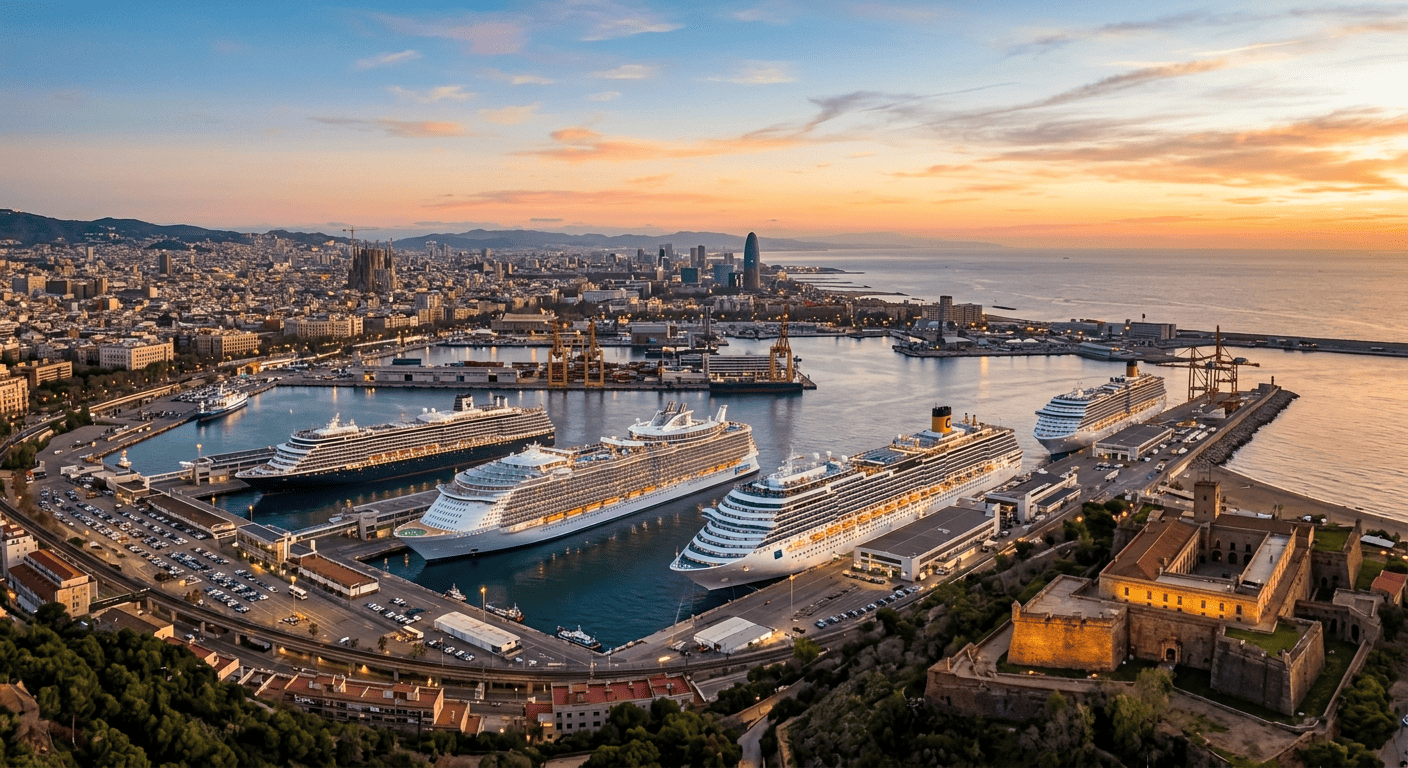
Short-term vacation rentals are not the only target in the city’s sightlines. Cruise traffic, which brings millions of day-trippers into the historic center each year, is facing new restrictions and higher fees.
Local government updates tracked by Turisme de Barcelona highlight a policy designed to shift the balance toward longer-staying visitors:
- Pricier Day Visits: Daily municipal taxes for transit cruise passengers—those visiting for under 12 hours without spending the night—are set to rise sharply, pushing total visitor levies up to €30 per day.
- Homeport Incentive: Passengers whose cruise begins or ends in Barcelona are exempt from the peak day-trip surcharge. The logic is simple: these travelers spend money on local hotel stays, evening dining, and ground transport.
- Capacity Reductions: Port agreements aim to reduce the total number of cruise terminals at Adossat Wharf over the coming years to cap concurrent passenger flow.
How to Visit Barcelona Responsibly
The city isn’t telling people to stay away entirely—it’s asking for a change in how people visit. Travelers can adjust their itineraries to fit this new era of sustainable urban tourism:
- Book Licensed Hotels or Guesthouses: Avoid unregistered vacation rentals. Stick to official hotels, boutique inns, or hostel stays.
- Explore Beyond the Center: Swap overcrowded hotspots for lesser-visited neighborhoods like Poblenou, Sant Andreu, or Sants, or take day trips out to Girona and Montserrat.
- Visit During the Shoulder Season: Planning a trip in October, November, or March helps spread foot traffic out over the calendar, reducing the seasonal strain on city infrastructure.
Barcelona’s aggressive moves represent a major blueprint for destination management across Europe. By prioritizing resident housing over short-term visitor density, the city is betting that a better quality of life for locals will ultimately create a far better, more authentic experience for tourists.