Air Traffic Control Outage Triggers Cascading Flight Delays Across the U.S. Midwest
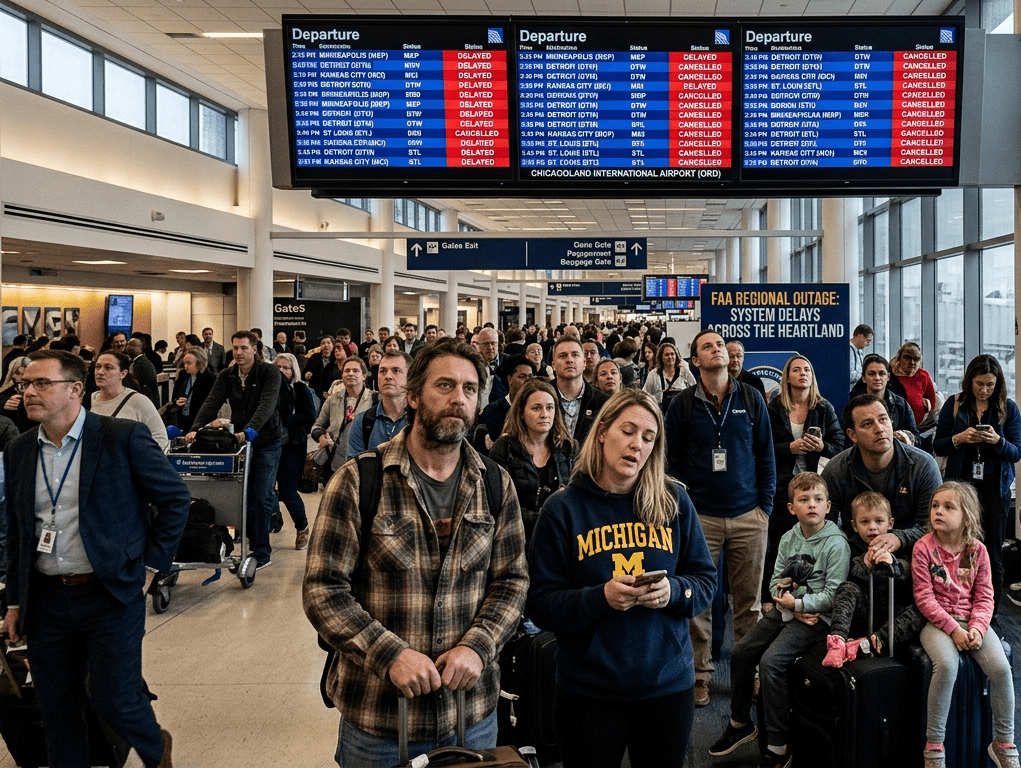
Thousands of air travelers across the American Heartland found themselves stranded on tarmac lanes and crowded terminal gates following a sudden air traffic control system outage. The technical glitch, traced to a regional Federal Aviation Administration (FAA) facility in Minneapolis, sent ripple effects through air corridors connecting major hubs and regional airports alike.
While technicians managed to resolve the root issue within hours, the operational aftermath continues to test airline schedules and passenger patience.
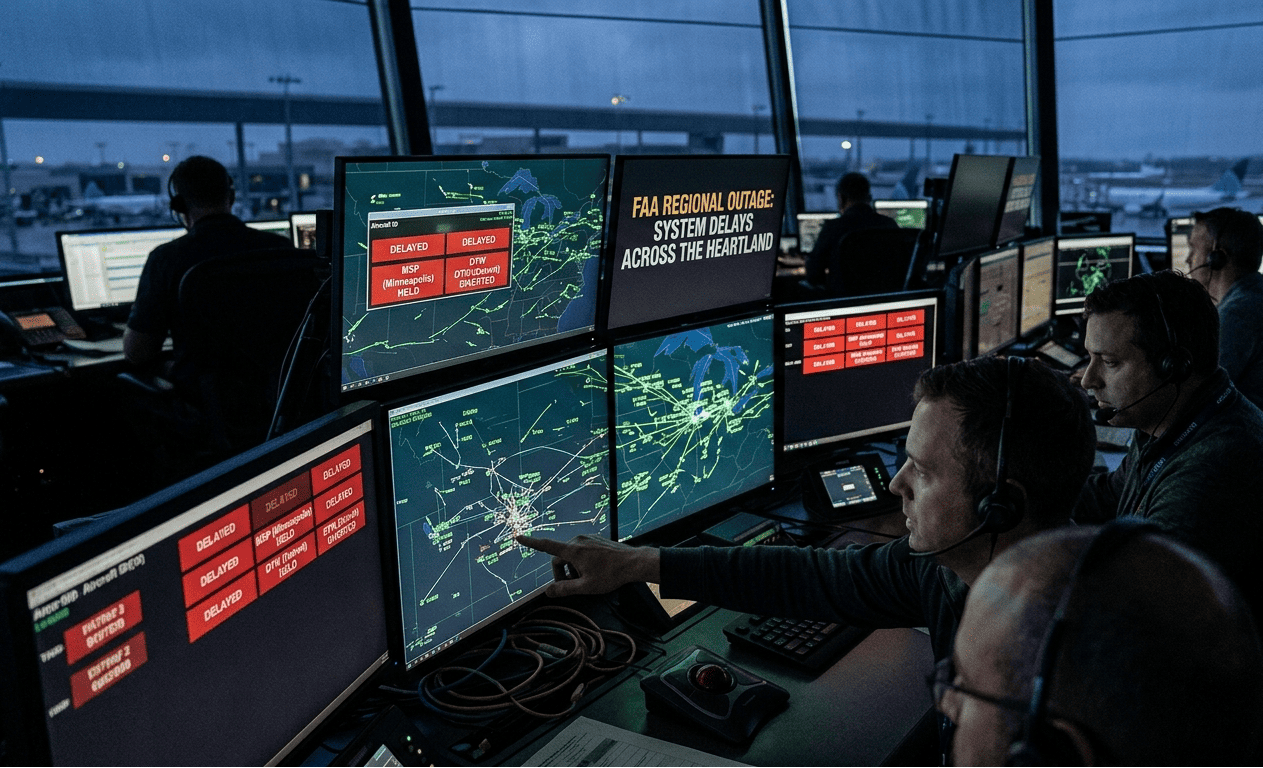
What Triggered the Regional Ground Stop
The outage struck early in the operating day, affecting communication and radar data streams across ten Midwest states, including Minnesota, Michigan, Missouri, Kansas, Wisconsin, Nebraska, and the Dakotas. FAA controllers were forced to implement ground stops and hold aircraft in place to maintain safe separation standards.
Key operational impacts included:
- Mass Diversions: Flights en route to key regional airports were rerouted to neighboring airspace centers or held at departure gates across the country.
- Cascading Delays: Major connection hubs felt immediate backlogs, with flight delays quickly averaging 60 to 90 minutes.
- Crew Timeout Bottlenecks: Flight crews hitting maximum duty-hour limits created secondary cancellations, compounding airline recovery efforts.
To understand your rights during system-wide aviation groundings, review our comprehensive guide on airline passenger compensation rules.
Major Hubs and Regional Airports Affected
While major international gateways absorbed thousands of delayed passengers, smaller regional airports felt the brunt of aircraft repositioning issues. Air traffic command centers worked to clear congested airspace by pacing departures back into normal air corridors.
Travelers navigating affected regions should keep the following operational realities in mind:
- Secondary Delays Outlast System Fixes: Even when FAA systems resume full functionality, aircraft and flight crews remain out of position for up to 24 hours.
- App-Based Tracking Is Essential: Airline mobile apps update gate assignments and rebooking options faster than physical airport display screens.
- Direct Flight Rerouting: Passengers with tight connections should proactively speak with gate agents to secure alternative routings before bottlenecks tighten.
If you are currently stranded or facing long layovers, check our practical tips on how to handle flight cancellations and rebooking.
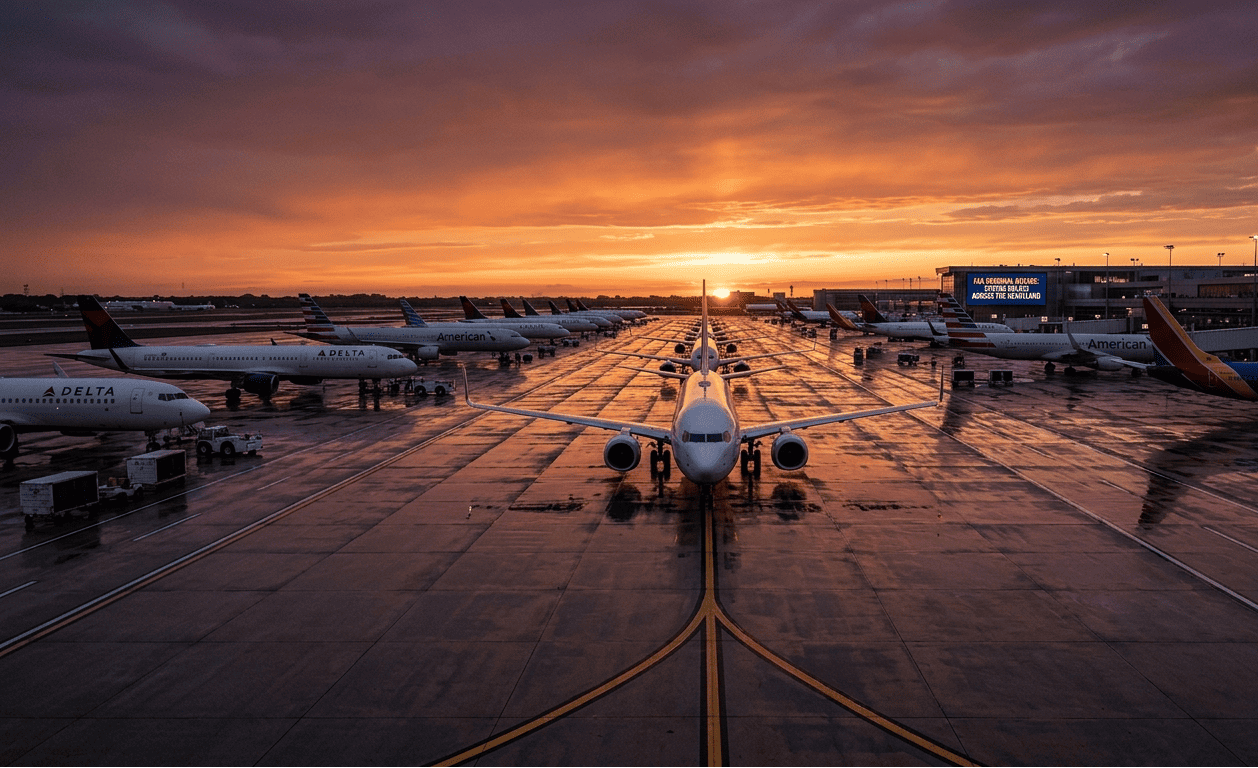
What the FAA Is Doing Next
The Federal Aviation Administration has initiated a full investigation into the underlying software or hardware fault at the Minneapolis facility. Federal officials emphasized that safety was never compromised, as controllers followed strict protocol by halting departures until full system redundancy was verified.
For official real-time updates on national airspace conditions, monitor the FAA National Airspace System Status portal.