
Air India Flight Hits Severe Turbulence Mid-Air, Leaving 17 Injured on Phuket-Delhi Route
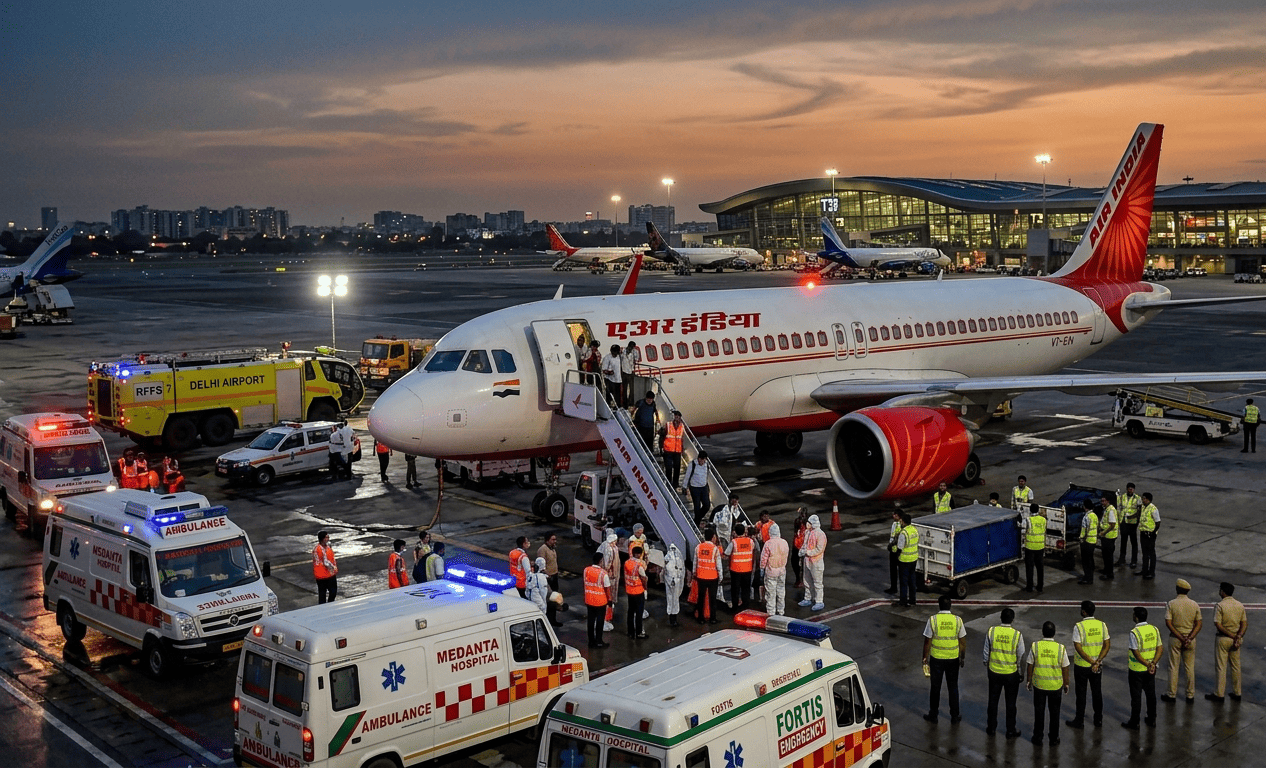
Chaos erupted aboard an Air India flight from Phuket to Delhi after the aircraft encountered severe mid-air turbulence, leaving 17 people injured, including four cabin crew members.
Flight AI2379, operating an Airbus A320neo carrying 137 passengers and eight crew members, was cruising over Odisha at 36,000 feet when it experienced a sudden, violent drop in altitude of nearly 300 feet. Unprepared passengers and crew members were briefly thrown toward the ceiling before pilots managed to steady the aircraft.
Despite the sudden jolt, the flight crew maintained control and landed safely at Indira Gandhi International Airport in New Delhi at 11:07 AM local time. Emergency medical teams met the aircraft at the gate to assist the injured.

Seconds of Panic in the Cabin
Eyewitnesses described an abrupt jolt that sent unbuckled passengers, loose personal items, and service carts flying through the cabin.
"Everything was completely normal, and many of us were sleeping," said one passenger returning with his family. "Suddenly, there was a massive jolt. My father was tossed into the aisle and hit the overhead bins, while tray tables and panels suffered visible damage. It was terrifying."
Ground medical personnel evaluated all passengers upon landing. While several received immediate first aid at the airport's medical facility, 17 individuals—13 passengers and four crew members—were transferred to nearby medical facilities, including Fortis Hospital in Vasant Kunj and Medanta Hospital in Gurugram, for radiological scans and further observation.
Understanding Clear-Air Turbulence
Initial reports indicate that the aircraft encountered clear-air turbulence, an atmospheric phenomenon that occurs in cloudless skies near high-altitude jet streams. Unlike storm-related turbulence, clear-air turbulence is created when adjacent layers of air move at vastly different speeds or directions, producing intense wind shear. Because it cannot be detected by conventional onboard weather radar, flight crews often receive no prior warning to turn on the seatbelt sign before encountering vertical air displacement. Aviation experts frequently highlight clear-air turbulence safety guidelines, stressing the importance of keeping seatbelts buckled loosely throughout the entire flight.
In response to the incident, India's aviation regulator, the Directorate General of Civil Aviation, launched a formal investigation. The aircraft has been moved to a hangar at Delhi airport, where both the flight data recorder and cockpit voice recorder have been secured for detailed examination. Air India confirmed it is cooperating fully with civil aviation authorities and has notified the aircraft manufacturer. For more information on fleet maintenance and structural specifications, review our comprehensive index on Commercial Aircraft Profiles & Fleet Safety Standards.