
2026 European Solar Eclipse Tourism: Hotel Prices Surge Across Path of Totality
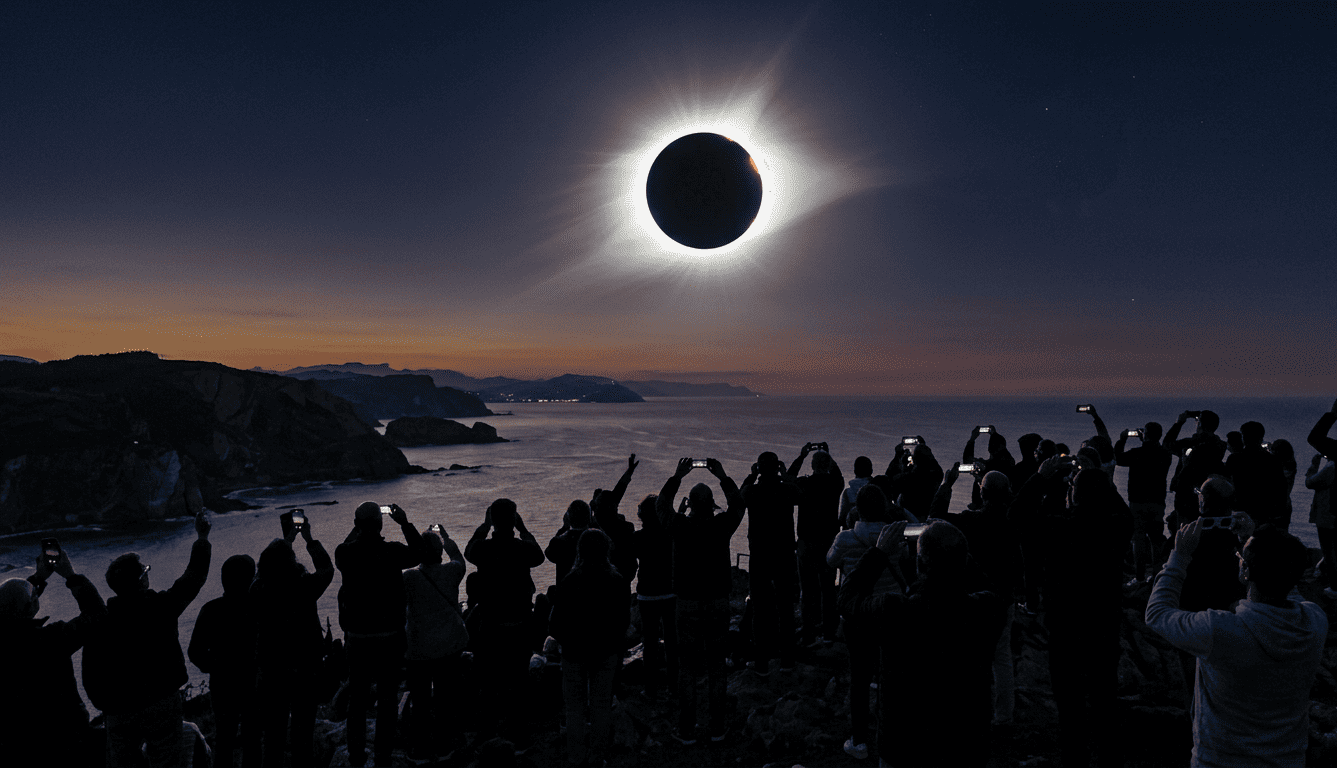
A rare celestial event has turned northern and western Europe into the world’s hottest travel corridor, sending accommodation costs into orbit. As millions of eclipse chasers descend on the path of totality, hotel nightly rates have doubled and short-term rentals have reached record highs in key destinations across Iceland and Spain.
The event marks the first total solar eclipse visible from mainland Europe this century, sparking an unprecedented rush for rooms along a narrow band stretching from the Arctic down to the Mediterranean.
Sky-High Rates in the Path of Totality
Destination hubs offering prime viewing conditions are seeing the dramatic impact of hyper-localized demand.
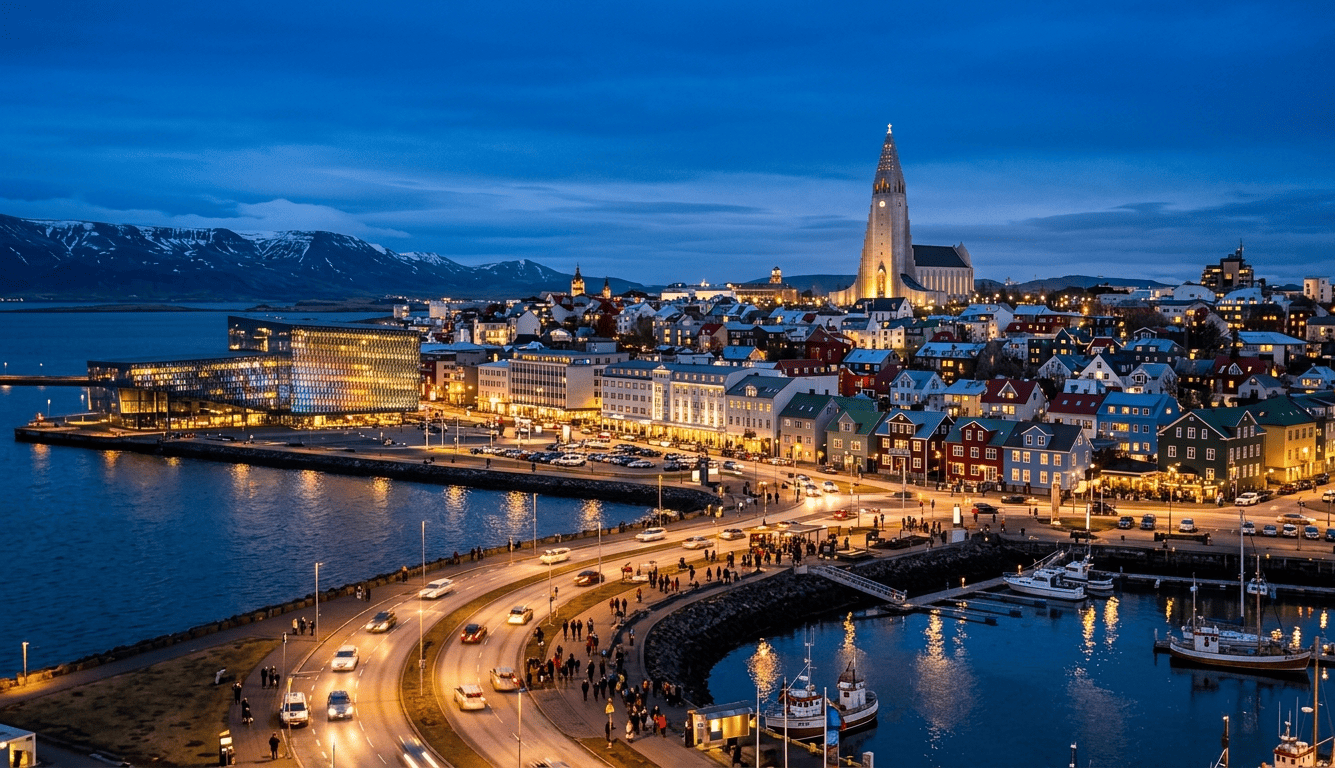
In Reykjavík, Iceland—one of the primary urban gateways for viewing totality high in the sky—average hotel prices surged past $1,000 per night, reflecting a more than 140% spike compared to the same period last year. Short-term rentals in the capital region experienced a similar climb, with weekly rates averaging nearly $1,170 per night as travelers scrambled for last-minute availability.
Across northern Spain, where the eclipse path crosses before reaching sunset, cities are seeing steep price surges:
- A Coruña: Hotel room rates jumped over 130% year-over-year, hitting an average of $451 per night as occupancy rates pushed toward capacity.
- Bilbao: Rates increased sharply by more than 50% for standard hotel bookings, while short-term vacation rentals averaged over $1,000 per night due to strong regional European flight connectivity.
- Mallorca: Even coastal resort properties where the sun sits low on the horizon saw double-digit price increases as tourists paired summer beach holidays with evening viewing events.
Economic Influx Beyond the Coastline
The influx of high-spending international tourists is providing a major boost to regional economies outside traditional summer hotspots.
The Spanish government estimates that the celestial event will drive over €340 million in additional tourism spending across 36 inland and northern provinces. Smaller towns along the path of totality—often referred to as part of rural, depopulated interior regions—have seen local guesthouses and boutique stays completely sell out months in advance.
Airlines and cruise operators have moved quickly to absorb excess demand. Major carriers expanded transatlantic routes into Reykjavik, while luxury cruise lines offered specialized offshore viewing itineraries along the Atlantic coast, with many selling out shortly after launch.
Planning Ahead for Future Celestial Events
Travel market analysts note that astro-tourism has matured into a major driver of global leisure travel. With supply constrained in smaller historic towns and rural viewing zones, travelers who book early or target cities slightly outside the central line of totality—such as Santiago de Compostela—have managed to find more reasonable rates.
For ongoing industry tracking and regional economic forecasts, review the World Travel & Tourism Council Reports. Travelers looking for astronomical viewing maps and official path data can consult the NASA Eclipse Web Portal. For global hospitality data and market pricing trends, check detailed updates from Lighthouse Hospitality Intelligence.